

























































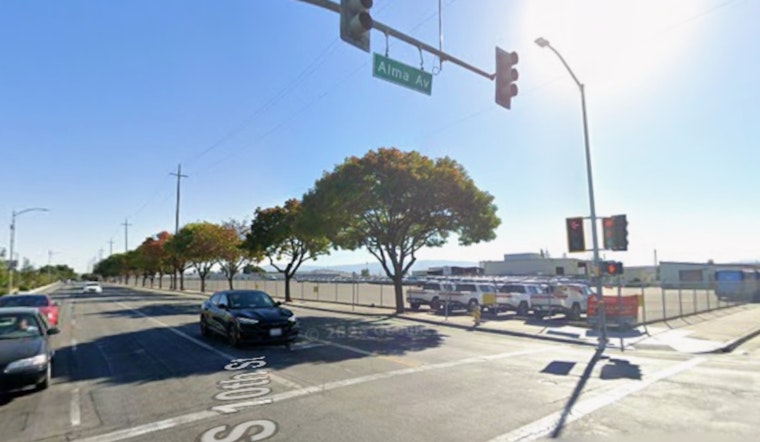
The long-contaminated Lorentz Barrel & Drum Superfund site, a few blocks from San Jose State University, is finally in line for a full-scale fix, with the U.S. Environmental Protection Agency floating a roughly $24 million cleanup plan. The agency wants to use subsurface heating to draw out buried solvents and trap the vapors for treatment, a playbook federal engineers have used at other tricky pollution sites. San Jose State officials and nearby residents, meanwhile, are pressing for clarity on whether the work could disturb the campus soccer field or send odors and vapors drifting through the neighborhood during construction.
How The Cleanup Would Work
The remedy on the table is a version of thermally enhanced soil vapor extraction. Crews would install metal probes or heaters in the ground, warm up contaminated soil and coax volatile organic compounds into vapor form so they can be captured and treated at the surface. Federal guidance and case studies from the EPA describe how thermal methods, including steam and electrical heating, can reach tens of feet below ground and speed removal of stubborn solvents at similar Superfund sites.
Site History And Prior Cleanup Work
The Lorentz Barrel & Drum facility handled the recycling and reconditioning of industrial drums from the late 1940s through the 1980s, and investigations later turned up soil and groundwater contaminated with solvents, PCBs and metals. Over the years the EPA and state regulators have removed thousands of drums, excavated and hauled off hot spots of contaminated soil, capped portions of the property and installed groundwater wells and treatment systems to protect nearby water supplies. The agency’s Superfund site profile lays out those milestones along with the ongoing monitoring that continues at the property.
The Proposal, Reactions And Who Owns The Land
Under the new proposal, the agency would bankroll a high-tech remediation effort in which metal probes are pushed about 20 to 30 feet below the surface to heat up and vaporize solvents, then capture those vapors for treatment. The price tag is estimated at about $24 million. San Jose State officials have publicly asked whether the drilling and heating could scorch the grass on the nearby campus soccer field or let vapors leak during the work, while the property itself is currently being used as fenced parking for car dealers’ inventory. The plan and the university’s questions were first detailed by The Mercury News.
EPA’s View And The Timeline
According to agency materials, much of the earlier cleanup targeted immediate risks, and long-term monitoring remains in place while the new remedy is evaluated. About 90% of the cleanup has been done, according to Mike Montgomery, director of EPA’s Pacific Southwest Superfund and Emergency Management division, who told The Mercury News, and EPA officials say the proposed thermal work is intended to cut the risk that remaining contamination could migrate into deeper aquifers. Agency scheduling documents outline remedial design and action milestones expected over the coming year, with field work projected to last roughly one to two years once contractors are on site.





