

























































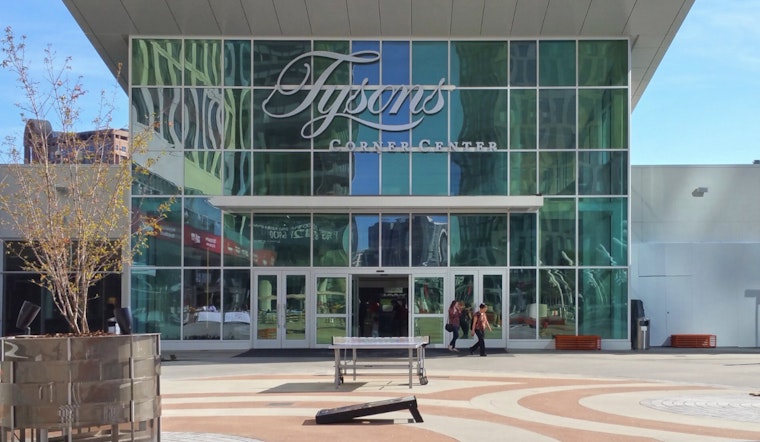
Tysons Corner Center and Potomac Mills are quietly turning into mini theme parks, swapping empty storefronts for slime pits, candy mazes, indoor slides and pickleball courts. What started as a few novelty pop‑ups has shifted into a deliberate strategy to turn unused retail space into all‑day attractions that keep families and tourists inside the mall a lot longer than a quick lap past the food court.
At Tysons, Hershey Super Sweet Adventure, a candy‑themed, interactive pop‑up, is set to open on March 6 in a first‑floor storefront near Macy’s, with plans for brand‑themed zones such as a Twizzlers maze and Reese’s cannons for family play. The timed‑ticket experience is billed as a mix of hands‑on challenges, photo moments and a retail shop for limited merchandise. Tickets and hours are listed in advance on the Hershey Super Sweet Adventure website.
Sloomoo Institute, the multisensory "slime museum" with locations in New York, Los Angeles and other major cities, has filed plans to take over a two‑level space by Nordstrom at Tysons, reusing the former Paul Mitchell beauty‑school footprint for a timed, ticketed gallery and a retail shop. Local permit records and reporting describe a multimillion‑dollar renovation of more than 17,000 square feet. "You're able to do things that you could never do at home," Sloomoo co‑founder Karen Robinovitz told WTOP, in explaining the hands‑on galleries and slime falls; the permit details were reported by Northern Virginia Magazine.
Potomac Mills Is Leaning Into Active Play
Out in Woodbridge, Potomac Mills has converted large portions of its two‑mile complex into entertainment zones, adding a Kids Jungle Playground and a sizable Round1 bowling and arcade to its tenant roster. The mall operator highlights the indoor playground and family amenities on its center page, and local business directories show Round1’s large bowling and arcade footprint inside the center. Together, those additions mark a shift away from apparel anchors toward attractions that encourage longer visits, according to Simon Property Group and local listings.
Other big boxes are getting similar treatments. Slick City Action Park, a dry slide and party‑room operator, has been slotted into Potomac Mills and is marketing a Woodbridge location, while membership‑based Ace Pickleball Club has plans to convert roughly 32,600 square feet into ten courts and event space. Local reporting and planning records indicate Ace is replacing a former furniture store, and Slick City is promoting a Woodbridge page that lists the mall address. Bookings and details are being tracked by Slick City and local coverage.
Why Landlords Are Swapping Stores For Slides
Industry trackers and trade groups frame these conversions as a pragmatic response to years of e‑commerce gains and anchor‑store departures. The U.S. still has roughly 1,000 regional malls, and owners are experimenting with ways to keep people onsite longer instead of watching them click away from the couch. Data and commentary outlining the remaining mall stock and the push to rethink tenant mixes have been compiled by ICSC. As retail professor Jie Zhang told WTOP, "Because consumers’ purchase behaviors have changed, you cannot force people to go back to shopping malls just to buy things," which neatly sums up why managers are carving out more square footage for experiences.
For shoppers, that translates into more to do in a single stop. For landlords, it is a calculated bet that activities will mean longer visits, higher concession sales and steadier revenue streams. Large‑format experiments, from DICK'S House of Sport to branded pop‑ups, suggest the strategy can work for well‑positioned centers, though success still depends on execution and local demand. One recent example of the model is DICK'S House of Sport joining the anchor lineup at Annapolis Mall, as noted by PR Newswire.




