

























































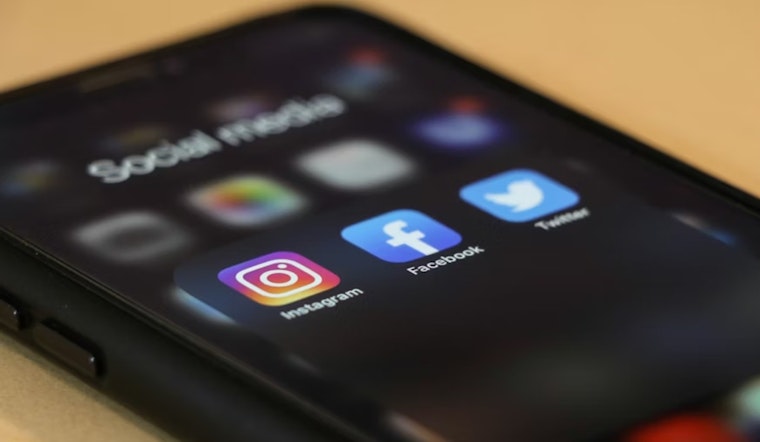
Recent research conducted by the University of Cincinnati has spotlighted a connection between high levels of social media use and increased feelings of loneliness among college students. As reported by Inside Higher Education, the study, which scrutinized responses from about 65,000 students from over 120 colleges, reveals that students who are immersed in social media for more than two hours daily are substantially more likely to report feelings of loneliness.
Lead author Madelyn Hill, a UC doctoral graduate and currently an educator at Ohio University, expressed a lack of surprise at the findings. "I wish I could say I was shocked. I wish I could say that this was a surprising finding, but this was what I was expecting to see," Hill told Inside Higher Education through UC News website. The study's statistics, which participants provided regarding their weekly social media usage, point towards a threshold of 16 hours per week being linked with a higher incidence of loneliness.
These not-unexpected findings have raised conversations about the pervasive feeling of loneliness on campuses nationwide. It also touches on the broader implications of social media as it weaves into the fabric of student life, potentially unravelling the threads of direct human connection. Complicating this web of digital interactions are the loneliness metrics used in the study, which included students' sense of being left out, lacking companionship, or feeling isolated.
The University of Cincinnati researchers, including Professors Ashley Merianos, Rebecca Vidourek, and Keith King, alongside Indiana University Professor Matthew Smith, stress the importance of fostering real-world relationships. "These results underscore how widespread loneliness is among college students and highlight that excessive social media use may be replacing the meaningful interactions that protect their mental health," according to UC News, Merianos, a faculty member in UC's School of Human Services, explained. She advocates for public health strategies that bolster social connections and facilitate the creation of supportive relationships offline.





