

























































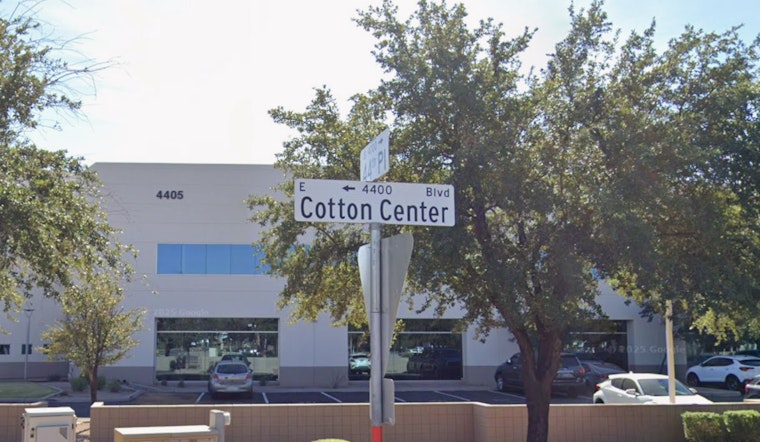
The University of Jamestown has quietly put down stakes in Phoenix with a new Health Sciences and Graduate Center at the Cotton Center, bringing hands-on graduate training aimed at shoring up the Valley’s lab and diagnostic workforce. The campus marked its arrival with a ribbon cutting and an inaugural Graduate Student Research Symposium last Friday, plus the announcement of a major donor gift to fuel research. Mayor Kate Gallego publicly welcomed the center this week, calling it a win for Phoenix’s healthcare system and homegrown talent pipelines.
Proud to officially welcome University of Jamestown’s Health Sciences and Graduate Center to Phoenix. This campus strengthens our healthcare system, attracts top talent, and helps train much needed pathologists to advance patient care. https://x.com/i/status/2019458354091839912
— Mayor Kate Gallego (@mayorgallego) February 5, 2026
What the new center houses
The Phoenix site is set up to host graduate programs in computational pathology, digital medicine and other specialties that blend diagnostics with emerging technologies, and it serves as home base for the university’s new Pathologists’ Assistant master’s program. According to University of Jamestown, the opening was paired with the announcement of a $7 million gift that will fund the Dr. Jo‑Ida C. Hansen Institute of Sponsored Programs, Innovation, and Research Excellence (InSPIRE). The university says InSPIRE will support faculty research, grant operations and student research opportunities across its campuses.
Programs and training on site
The Pathologists’ Assistant master’s program launched last year, with its first cohort kicking off in January 2026. The curriculum centers on a cadaver lab and clinical rotations designed to prepare students for surgical and autopsy pathology work. Local coverage of the opening highlighted the January 30 ceremony and the research symposium that followed, and placed the new center in Phoenix’s Cotton Center business park, as reported by Jamestown Sun. The university’s move into niche lab training tracks with a broader trend of schools expanding specialized programs to meet demand for laboratory professionals.
Why pathologists’ assistants matter
National data points to a stubborn gap between open laboratory positions and the number of new graduates entering the field, with lengthy hiring timelines and an aging workforce adding to staffing pressures, according to the American Society for Clinical Pathology. In that environment, program leaders say pathologists’ assistants serve as a practical pipeline for diagnostic teams, handling specimen dissection and autopsy work so pathologists can focus on interpretation and subspecialty responsibilities. University of Jamestown describes hands-on labs and clinical placements in Phoenix that instructors expect will move graduates quickly into available jobs.
Local reaction and next steps
Local officials are framing the center as part of Phoenix’s broader push to grow biotech and health care talent. In her post on X, Mayor Kate Gallego repeated that message and said the campus will “strengthen our healthcare system, attract top talent, and help train much needed pathologists,” in a statement shared Thursday from her official account. University leaders told local outlets that additional specialized programs are moving through the accreditation process and could begin rolling out next summer, which would further expand training options in the region.
Students in the inaugural cohort began classes this winter, and university officials say the Phoenix center will keep building out clinical partnerships and research opportunities. For Phoenix, the facility represents a local bet on growing more diagnostic training and lab talent development in the Valley rather than relying on out-of-state pipelines.




