

























































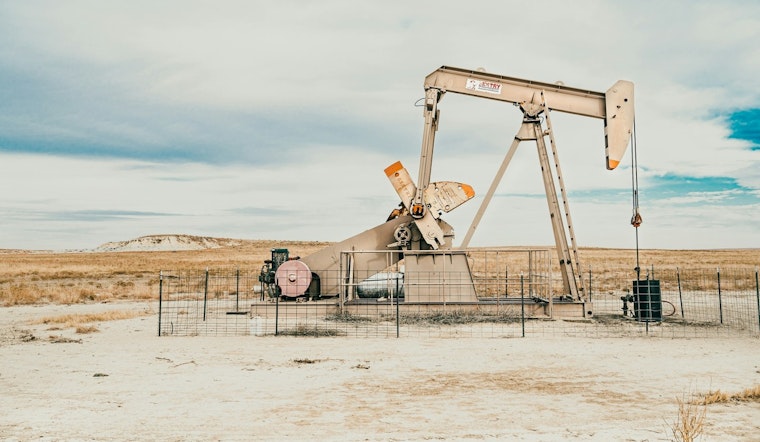
After more than two decades of complaints, protests and political wrangling, state crews have permanently sealed 21 oil wells at the AllenCo production site in University Park, just a few blocks from the University of Southern California. The shutdown marks the end of a 22-year fight by neighbors and activists who said rotten-egg, sulfur-like fumes and other emissions from the site were making people sick.
State officials announce final closure
Gov. Gavin Newsom's office announced that crews have finished plugging and sealing all 21 wells, crediting years of persistence from community organizers and work by multiple state agencies. Natural Resources Secretary Wade Crowfoot said the operation "turns the page on decades of neglect and stalling tactics by this company," and the governor publicly praised local activists for forcing the issue into the spotlight, according to a press release from gov.ca.gov.
How CalGEM took control
The state Geologic Energy Management Division (CalGEM) moved to shut the site down in March 2020 with a plug-and-abandonment order for the St. James drill site. After a stretch of appeals and delays, the agency secured a court order in 2022 that allowed crews onto the property. CalGEM then oversaw depressurization work through 2022 and 2023 and hired contractors under its Project Plug program to permanently plug and seal the wells, with specific community-safety plans and emission controls in place, according to conservation.ca.gov.
Years of complaints and litigation
For years, residents living around the site reported headaches, nosebleeds, nausea and other health problems that they linked to ongoing fumes drifting from the facility. In January 2014, the Los Angeles City Attorney filed a civil lawsuit against AllenCo seeking a permanent injunction and financial penalties. Then-City Attorney Mike Feuer said at the time that "no community should have to live this way," and the case led to monitoring requirements that prevented the facility from restarting operations while agencies continued to investigate, according to reporting by latimes.com.
Community pressure and statewide cleanup effort
Even as the legal fights played out, neighborhood groups and youth organizers in University Park kept constant pressure on city and state officials. Local activist Nalleli Cobo emerged as a leading voice for the community and later received national recognition for her role in the campaign. The AllenCo site was ultimately treated as a priority under California's Project Plug initiative, which targets high-risk orphan wells for cleanup around the state, as reported by loe.org and outlined on the state's conservation.ca.gov Project Plug page.
([loe.org](https://loe.org/shows/shows.html?programID=22-P13-00030&utm_source=openai))
What comes next
With the wells now sealed, state and local agencies say they will keep monitoring air quality, dismantle remaining surface equipment and study options for restoring the site. Officials are also reviewing ways to recover the public cost of the plugging work from the operator. They have framed the AllenCo closure as part of a broader state push, supported by recent budgets and federal infrastructure funding, to plug orphaned and hazardous wells and cut health risks for communities living next door to aging oil fields, according to the governor's announcement on gov.ca.gov.
([gov.ca.gov](https://www.gov.ca.gov/2026/02/11/governor-newsom-announces-permanent-closure-of-allenco-oil-wells-ending-years-of-community-harm/?utm_source=openai))
Legal implications
The physical closure of the wells does not wipe away the civil-enforcement record. Court orders, monitoring requirements and the City Attorney's 2014 complaint remain part of the case file and could shape any future enforcement or cost-recovery efforts. That legal trail, along with the series of agency orders and permits that followed, is what ultimately gave state crews the authority to step in and complete the work, according to prior coverage and agency documents cited by latimes.com.
([latimes.com](https://www.latimes.com/local/la-me-fumes-charges-20140108-story.html?utm_source=openai))





