

























































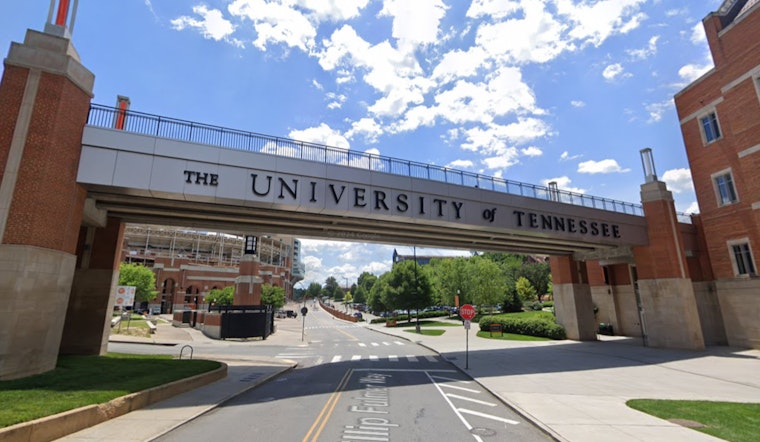
Newly filed court records and deposition transcripts are pulling back the curtain on how University of Tennessee leaders in Knoxville reacted after an assistant professor’s inflammatory Facebook remark about conservative commentator Charlie Kirk. Dr. Tamar Shirinian was placed on administrative leave pending termination following the September 2025 post and filed suit in late October, arguing the punishment violated her First Amendment rights. Those documents are now front and center as the case heads toward a jury trial next year.
What the documents show
According to WATE, the materials include Shirinian’s amended complaint request and deposition transcripts from top university officials. Separate federal court filings show a judge denied Shirinian’s request for a temporary restraining order in December and scheduled a five-day jury trial for Jan. 19, 2027, according to Justia.
In one deposition, UT System President Randy Boyd told investigators that “everything is on the record” and said employees have to “take care” to avoid statements that might be interpreted as speaking for the university. Boyd also testified that social media posts should be treated as public speech and advised staff to reach out to the general counsel’s office if they were worried about inflammatory comments, according to the documents reported by WATE. Those exchanges are now key to the legal fight over whether Shirinian was speaking as a private citizen.
This week, Shirinian amended her complaint to add the UT Board of Trustees and several university officials, alleging that trustees were aware of and involved in the disciplinary process and that the system “admitted failure to follow written due process policies and procedures.” As reported by WVLT, the updated filing claims the board had notice that her speech was protected but allowed disciplinary measures to move forward anyway.
Faculty response and legal stakes
Faculty leaders have not stayed quiet. The Faculty Affairs Committee sent a memorandum asking administrators why standard procedures were skipped and pressing for a clear explanation of how UT separates private speech from speech made in an official capacity. The campus newspaper The Daily Beacon notes that the Faculty Handbook affirms faculty may speak “as citizens” and calls for a more explicit protocol on how off-duty speech is reviewed.
Shirinian’s lawsuit seeks reinstatement to a tenure-track position, back pay and damages, while alleging viewpoint discrimination and violations of due process. The complaint and local reporting describe both the relief she wants and the political pressure that followed the widely shared screenshot of her private post. The filings detailed on Justia and in local coverage outline the timeline and claims as the case moves toward trial.
Legal experts say the dispute will test the line between a public university’s operational interests and a professor’s off-duty speech rights, particularly in a state where higher education governance and tenure have already been politically contentious. The case lands in the middle of broader state and national debates over academic freedom and tenure protections. Inside Higher Ed and other outlets report that shifting policies are raising the stakes for personnel decisions at public universities.





