

























































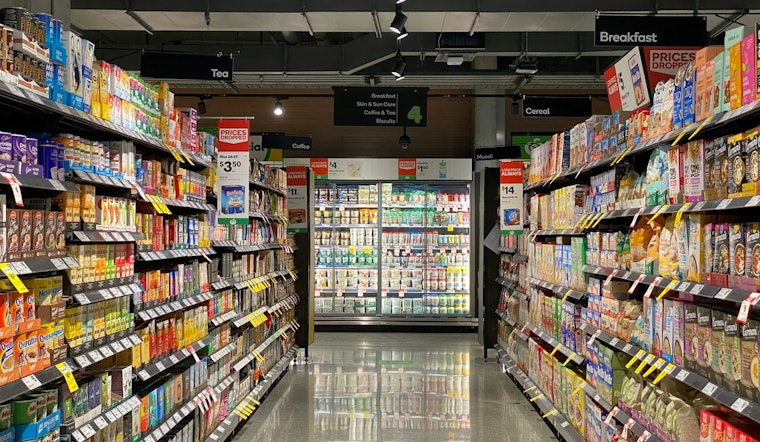
Salt Lake City — A Utah lawmaker is aiming to limit what families can toss into their grocery carts with food stamps, pushing a bill that would sharply curb purchases of so-called ultra-processed foods with SNAP benefits.
Rep. Kristen Chevrier’s HB569, introduced this month, would direct state officials to seek a federal waiver to block those items from EBT purchases and layer on new reporting rules and retailer compatibility checks if the waiver is approved. The proposal builds on Utah’s existing soda restriction and is set to move through the rest of the 2026 legislative session.
What HB569 would change
HB569 lays out a definition of “ultra-processed food” that includes, in part, food containing additives and that is high in saturated fat, sodium, or added sugars. It would amend state law to require the Department of Workforce Services to request a waiver from the USDA to prohibit SNAP purchases of both soft drinks and ultra-processed foods.
The bill tells the department to spell out how such a ban would actually work in stores. That plan must cover retailer point-of-sale enforcement, education and outreach to SNAP users and grocers, and a way to track how the restrictions affect both spending and health outcomes. Those provisions and timelines are detailed in the bill text on the Utah Legislature website, according to the Utah Legislature.
Part of a larger push
The move comes on the heels of Utah’s soda restriction, which took effect Jan. 1, 2026, after the USDA signed off on a food-restriction waiver. The agency now lists Utah among several states that have authority to limit certain SNAP purchases. Federal nutrition policy has been shifting too: the Department of Health and Human Services released new Dietary Guidelines in January that single out highly processed foods and favor higher-protein, lower-sugar diets, a development supporters of HB569 are pointing to as backup.
For more on the waiver approvals and federal guidance, see the USDA Food and Nutrition Service and HHS.
Support and opposition
Chevrier has told local reporters that the goal is to “minimize the amount of ultra-processed, unhealthy food that is going into the SNAP grocery carts.” Anti-hunger advocates see it very differently. Utahns Against Hunger has warned that ratcheting up restrictions would treat SNAP recipients like children and could make food insecurity worse if people are blocked from buying familiar, affordable items.
There is skepticism at the Capitol too. Sen. Lincoln Fillmore said he would probably vote against expanding limits beyond soda. Those comments and the broader reaction were reported by KSL.
Implementation and legal questions
The bill requires the Department of Workforce Services to justify its waiver request on both public-health and cost-savings grounds and to put any approved restriction in place no later than six months after USDA signs off. That timeline would force retailers to update point-of-sale systems and train staff in short order.
National reporting has flagged how complicated and expensive those point-of-sale changes can be when rolled out across states, and critics argue that such rules risk stigmatizing SNAP beneficiaries or distracting from bigger questions about food affordability, as reported by AP.
What’s next
HB569 was introduced in mid-February and sent for fiscal input, and it has not yet received a committee hearing as lawmakers work toward the scheduled adjournment on March 6, 2026, according to LegiScan. If the bill moves forward, lawmakers are expected to debate — and possibly narrow — its definitions, timelines, and reporting requirements before any restrictions could be put in place.
Whether HB569 ultimately becomes law will hinge on legislators’ appetite for expanding the list of what taxpayers will and will not fund through SNAP, and on whether the USDA and retailers can turn a legal ban on ultra-processed items into clear, workable checkout rules that cashiers and customers can actually follow.



