

























































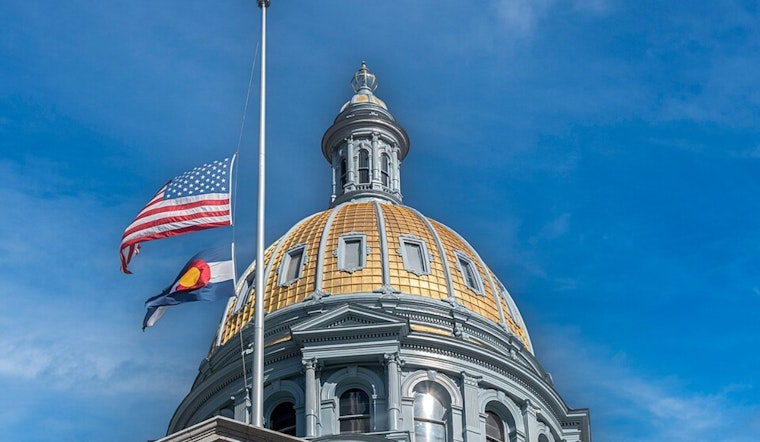
Colorado Democrats are moving to crack open the books on who is paying for cozy lawmaker gatherings at the Capitol after a private Vail retreat with lobbyists set off weeks of drama inside the party. Their new transparency push would force legislative caucuses and informal lawmaker clubs to show their donors and spending in one public place, a move sponsors say is meant to cool intra‑party tensions and give voters a clearer view of how money moves under the dome.
What The Bill Would Do
Senate Bill 108 would require caucuses, committees, clubs, and other lawmaker groups to file monthly reports with nonpartisan legislative staff listing all money they receive, accept, or spend. Those reports would then be posted online. Supporters are pitching it as a basic reporting rule, not a crackdown, designed to create a single public record of legislative group finances rather than the current patchwork of opaque arrangements. See the bill's page on the Colorado General Assembly website: Colorado General Assembly.
Who Is Behind It
The bill is sponsored by Sen. Lindsey Daugherty, Sen. Mike Weissman, Rep. Sean Camacho, and Rep. Yara Zokaie, who trace the idea directly to infighting over an October retreat in Vail. "When the opportunity came to work on a bill on transparency, I jumped on it," Rep. Camacho said, while Rep. Zokaie argued that the public should know "which corporate groups have influence and how much they are investing." As reported by The Colorado Sun, the Opportunity Caucus picked up roughly $32,000 of the tab for the retreat and operates as a 501(c)(4), a type of nonprofit that does not have to disclose its donors.
Ethics Complaints Pushed The Issue
Colorado Common Cause filed complaints alleging some lawmakers accepted subsidized lodging and other expenses tied to the Vail event, and the state's ethics watchdog has advanced those complaints to formal investigations. In a press release, Common Cause said the complaints question whether legislators violated Colorado's gift ban by attending the retreat. The ethics scrutiny has helped fuel the disclosure effort among lawmakers who hope that routine public reporting can reduce some of the friction that followed the trip.
Limits Of The Proposal
As reported by The Colorado Sun, the bill would not apply retroactively to past events and, as written, does not include any enforcement mechanism or penalty for groups that blow off the new reports. Sponsors say the first step is to standardize disclosure, with details like penalties and oversight to be sorted out later, while critics counter that transparency rules without consequences are easy to ignore. For now, that would leave public pressure and watchdog attention as the main tools to hold caucuses to any new standard.
Next Steps At The Capitol
The bill was introduced in the Senate on Feb. 11 and assigned to the State, Veterans & Military Affairs Committee, but a committee hearing has not yet been scheduled. If it clears that panel, the measure would head to a Senate floor vote and then move across the building to the House. Sponsors and skeptics remain split on whether the current text is strong enough to actually change behavior. Track the bill and future filings on the Colorado General Assembly site: Colorado General Assembly.





