

























































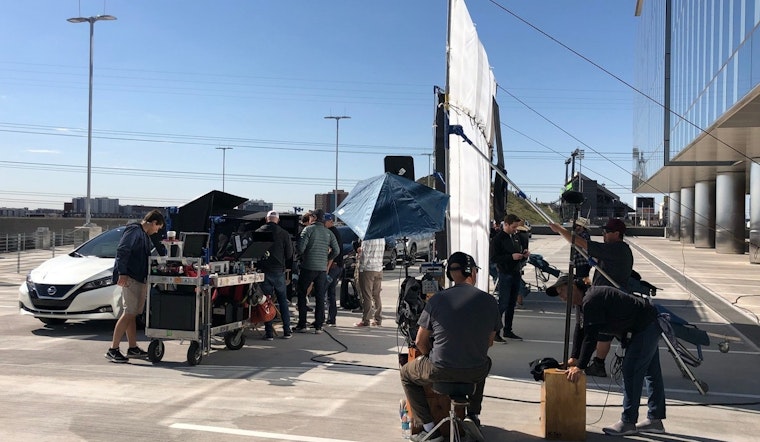
Film shoots across the Valley still brought a hefty payout in 2025, with productions generating $21.5 million in local spending, according to the Phoenix Film Office. It is the second year in a row the metro area cleared the $20 million mark, even though the total slipped from 2024’s post-strike high of $29.1 million. A grab bag of commercials, television, feature films, corporate shoots and still photography kept crews, vendors and hotels busy throughout the region.
Production By The Numbers
The Phoenix Film Office logged 906 projects in 2025, adding up to roughly 1,088 shoot days. Those jobs translated into about 2,633 local crew hires and 1,686 on-camera talent slots, with productions booking around 4,138 hotel nights along the way. Commercial work alone accounted for about 240 projects and more than $13 million of the total spending. Those figures were detailed by KTAR News, citing the office’s 2025 tally.
Down From 2024's Peak
The comedown looks sharper when stacked against 2024. The city’s year-end report for that year put production spending at $29.1 million, built on 777 projects and 1,138 shoot days, which comes out to roughly $7.6 million more than the 2025 total. That earlier breakdown is laid out in a report by the Phoenix Film Office. The contrast suggests 2025 was more of a cooldown after a strike-related and incentive-boosted surge rather than a sign the cameras are packing up for good.
Officials Credit Location And Permitting
City leaders are not exactly panicking about the softer numbers. In a statement to KTAR News, Mayor Kate Gallego said, “I look forward to seeing continued growth in Phoenix’s film industry and the opportunities it brings to our residents,” framing 2025 as a solid year rather than a warning sign. Film Office Commissioner Phil Bradstock pointed to the city’s practical appeal, saying “our streamlined permitting process, 24/7 access, year-round sunshine and iconic landscapes continue to attract producers and directors from around the world.”
Local officials and producers alike frequently cite those advantages, along with relatively low permit fees and quick flights from Los Angeles, as reasons Phoenix stays in the mix. Even when the dollar totals wobble from year to year, steady demand for commercials and short-form content tends to keep local crews working.
Incentives, Lawsuits And Studio Plans
Arizona’s tax credits and film incentive programs have helped lure productions, but they are also under legal fire in a way that could shape the industry’s long-term trajectory. A lawsuit from the Goldwater Institute challenging the credits was reported by AZFamily. The outcome could influence how aggressive the state remains in chasing film and television dollars.
At the same time, big-ticket studio proposals are hovering over the market. Plans for large production campuses, including the Desert Studios project outside the Valley, could significantly change how much money gets spent locally if they move forward, as outlined by the Phoenix Business Journal. More soundstages would likely mean more shoots that park in Arizona for longer stretches instead of just dropping in for a few desert scenes.
What It Means For Workers And Businesses
Even with the dip from 2024’s high watermark, the business remains a dependable source of short-term work for grips, drivers, caterers and small vendors from one end of the Valley to the other. The Phoenix Film Office’s reporting points to thousands of hire days and millions of dollars flowing into hotels, restaurants and rental houses, illustrating how a handful of well-funded shoots can ripple through neighborhood economies. The office’s year-end documents spell out category-by-category spending and hotel-night counts that back up that impact.
All told, the 2025 numbers paint Phoenix as a competitive but sometimes volatile production hub: not Hollywood, but fertile ground for projects that need both desert vistas and urban backdrops. With incentives under scrutiny, permitting still a selling point and studio infrastructure on the drawing board, the next round of data and any greenlit megastudios will show whether the local film economy revs up again or settles into a new normal.





