

























































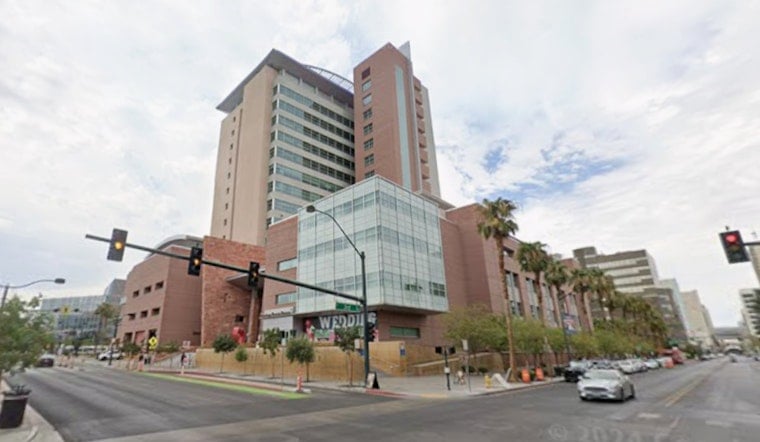
A Las Vegas judge on Monday openly questioned whether six Nevada Republicans were trying to pull off a crime or simply stage some political theater when they signed and mailed a pro-Trump electoral certificate after the 2020 election. District Judge Mary Kay Holthus repeatedly pressed prosecutors on how the conduct rose to criminal fraud, pointing out that the defendants used their real names and that, as she noted in court, no one ultimately acted on the paperwork. The hearing at the Clark County Regional Justice Center ended without a ruling, and Holthus ordered more written arguments before the case returns to her courtroom.
Lawyers for the state and the defense squared off over starkly different theories of what the law requires. As reported by the Las Vegas Review-Journal, defense attorney Maggie McLetchie argued that the Republicans were engaged in protected political speech under the First Amendment, while Chief Deputy Attorney General Alissa Engler countered that a jury should decide whether the electors meant for their documents to be treated as official. Holthus held off on a decision, and defense counsel pointed out that a related case is still pending in Carson City.
Judge Focuses On Intent To Defraud
Holthus kept circling back to the sticking point that has complicated similar cases around the country: intent. As detailed by The Nevada Independent, she said it bordered on “almost nonsensical” to find the specific intent to defraud required for a forgery conviction without clearer evidence. She ordered prosecutors to submit an additional brief by early March, ahead of a hearing scheduled for April.
Prosecution Says Mailings Show Purpose
Prosecutors insisted the electors went far beyond a symbolic protest. They argued the defendants followed the formal process by mailing the certificates to the government offices specified in law, a step they said showed the group wanted the documents to be taken seriously. The state’s attorney told the court the electors “took them to the post office” and sent the certificates to the president of the Senate, the archivist and state officials so they would be treated as official records, according to the Las Vegas Review-Journal. Prosecutors maintained that whether the defendants intended the documents to be acted on is a factual question the jury must answer.
Where The Case Stands
The six Republicans were indicted by a Clark County grand jury in December 2023 and have pleaded not guilty, and the case has been bouncing through Nevada’s courts ever since. The Nevada Supreme Court ruled late last year that the prosecution could go forward in Clark County, and the attorney general filed a precautionary parallel case in Carson City in December 2024, according to The Associated Press. The path of the Nevada case mirrors mixed outcomes in other states and underscores how proving criminal intent in so-called fake elector prosecutions has become a central legal challenge, a trend national analysts have flagged. Lawfare has tracked those difficulties as they play out across multiple state courts.
What The Charges Mean
The defendants are charged with offenses such as offering a false instrument for filing and uttering a forged instrument, crimes that turn on whether someone knowingly presents a document as true with an intent to defraud. Nevada’s forgery laws and related offenses are laid out in NRS Chapter 205, which spells out the elements prosecutors must establish and the felony level of the charges. With Holthus calling for more tightly focused briefing, both sides are now preparing to sharpen their arguments on the question of intent ahead of the next round of hearings.





