

























































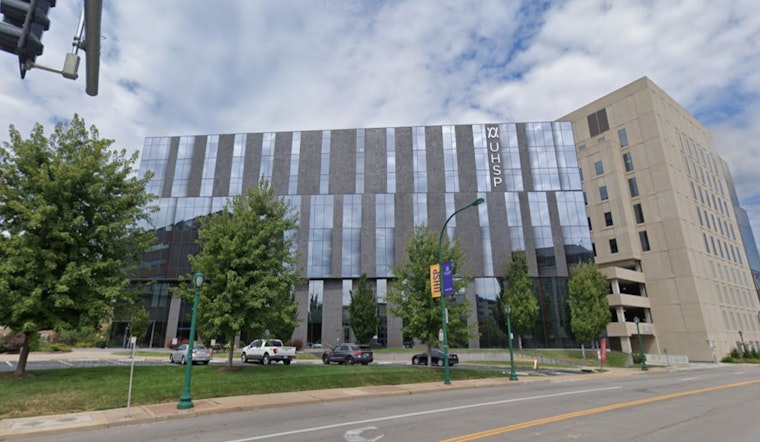
In a major shakeup for St. Louis higher ed, leaders at the University of Health Sciences and Pharmacy and Washington University announced Tuesday that St. Louis College of Pharmacy will be folded into WashU after the 2026-27 academic year, pending regulatory approvals. The deal hands UHSP’s campus to Washington University and keeps the pharmacy college operating at its current site for the foreseeable future. University officials say the move is aimed squarely at securing the long-term future of pharmacy education in St. Louis.
What the universities announced
In a special announcement, UHSP said Washington University will adopt St. Louis College of Pharmacy as its 10th academic school and pull select UHSP undergraduate programs into WashU’s existing lineup. "While this was a very difficult decision, we are grateful that the transition will secure the long-term viability of pharmacy education in St. Louis," UHSP President Brian Seiz said. The announcement also states that UHSP’s remaining colleges will be phased out after the 2026-27 academic year and that regulators are expected to take 12 to 18 months to sign off on the deal, according to UHSP.
Local coverage and timeline
Local outlet KMOV’s First Alert 4 team reported that the transition is slated to kick in after the 2026-27 school year, in line with the universities’ own timeline, while both institutions navigate the regulatory maze. The station also noted that officials are pitching the agreement as a way to bolster pharmacy and health-sciences education across the St. Louis region. As reported by KMOV, the schools say they plan to bring students, faculty and alumni into the conversation throughout the multi-step transition.
Why this matters beyond campus
Higher-ed experts say the UHSP and WashU deal slots neatly into a broader national story playing out at specialized professional schools. Pharmacy programs in particular are feeling the squeeze from shifting enrollments, tighter budgets and a growing need to hitch themselves to larger research universities to keep professional training robust. Recent academic reviews have flagged enrollment drops and structural challenges facing smaller pharmacy programs nationwide, trends that make mergers and partnerships more likely. According to an analysis of pharmacy-education trends published via ScienceDirect, those pressures are already driving consolidations and program realignments as schools scramble to protect the profession’s training pipeline.
What students, faculty and the campus can expect
UHSP says it will keep operating and delivering its academic programs through the 2026-27 academic year and has rolled out guidance pages for PharmD students, undergraduates, faculty, alumni and donors as planning ramps up. The university adds that individualized plans for faculty and staff are in the works in an effort to limit disruptions and keep classes on track. Local reporting from 2024 highlighted why keeping pharmacy training strong in Missouri is not just an academic concern: KMOV noted that the state is staring at a potential pharmacist shortage and reported that roughly 20% of Missouri pharmacists could be over 60 by 2026, a looming workforce gap UHSP leaders have pointed to in explaining the move, according to KMOV.





