

























































Frisco Bay Marina is staring down a summer most boaters hoped would never arrive. Town officials say the marina’s boat ramp and slips will be out of service for the entire 2026 boating season because water levels are simply too low to operate safely. The problem is tied to a run of record-low mountain snowpack and water management guidance that leaves the marina basin too shallow. For slip renters and rental operators, that translates to more boats parked on land, fewer pontoon cruises, and a slimmer seasonal workforce than usual.
As reported by the Denver Gazette, marina staff told Frisco’s Town Council during a Feb. 10 work session that “slips and the boat ramp will not be available for use during the 2026 boating season,” citing extreme drought, record low snowpack and recent guidance from Denver Water. According to that reporting, the marina expects to trim seasonal staffing by roughly 17 percent because dock hands and aquatic nuisance inspections will not be needed without active docks or ramp use.
How Marina Operations Will Change
The town’s presentation explains that Frisco Bay Marina holds about 160 slips and 50 moorings and that, without enough water, the docks would sit grounded all season. Slip customers will be offered limited on-site dry storage or prompted to find off-site options as the marina plans to grow its dry storage from roughly 20 spots to about 145. Moorings will remain in service, according to the Town of Frisco.
Paddle sport rentals will shift to the end of the old roadway, turning that stretch of shoreline into a concentrated hub for kayaks and stand-up paddleboards. Power boat rentals, if water levels allow motorized use at all, will require shuttles out to a dock island so that boats can still reach deeper water.
Snowpack And Water Management
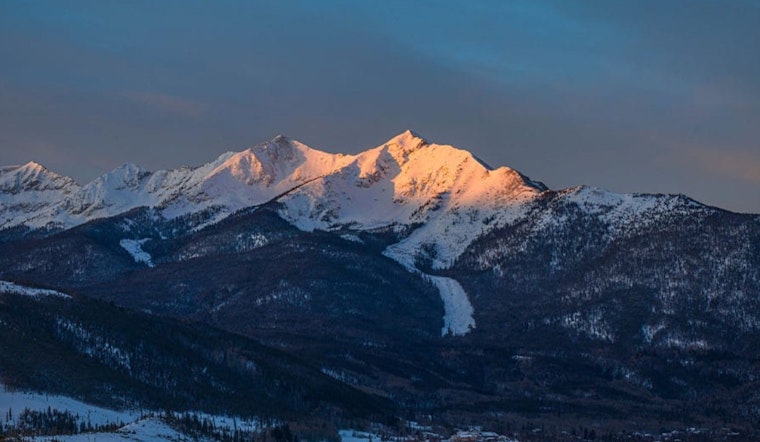
Federal surveys underline how serious the situation has become. The USDA’s Natural Resources Conservation Service reported statewide snow water equivalent at about 55 percent of normal on Feb. 1 and warned that Colorado snowpack has sat at record low percentiles for weeks.
Denver Water’s Feb. 9 update paints a similarly bleak picture. The utility said the Colorado River basin in its collection area was roughly 55 percent of normal and the South Platte around 42 percent, and it advised planners to be ready with drought response options.
What This Means For Boaters And The Town’s Budget
Council members voiced support for tapping $189,476 from the general fund to keep basic marina operations running this summer and approved capital purchases, including a new paddle dock and replacement pontoons, to support a smaller, shore-based rental program, according to the Town of Frisco. The packet and staff presentation outline options for slip refunds, expanded dry storage and a lottery for roughly 10 additional mooring spots.
Town leaders also set a return to the topic at the Feb. 24 council meeting, when they will dig into the long-term viability of the marina fund, including whether the enterprise should be folded into the general fund.
Slip holders should expect to hear directly from the marina about storage options and refunds, and the town is urging residents to check official updates before locking in summer plans. With runoff forecasts still uncertain, the marina says the strategy could shift if conditions improve, but for now, Frisco is bracing for one of the leanest boating seasons in recent memory.



