

























































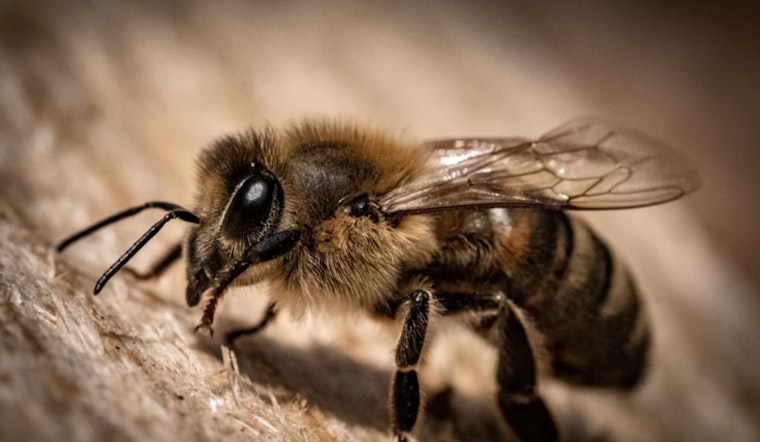
The latest buzz out of Washington State University is anything but sweet. Researchers say U.S. commercial honeybee operations lost massive numbers of colonies over the past year, in some cases as many as seven out of ten hives, threatening the pollination services that keep farms in business. The crash is not the work of a single villain but a snarl of problems: varroa mites, poor nutrition from disappearing flowers, pesticide exposure and a cocktail of circulating pathogens. In response, WSU has rolled out a multipronged research push, from fungal biocontrols and supplemental feeds to selective breeding and a continent-wide pollen map, all aimed at stopping the slide before it guts crop production.
Researchers point to overlapping threats
WSU's Honey Bee & Pollinators program reports that commercial operations saw mortality rates as high as 70% over the past year, numbers that have some migratory beekeepers scrambling just to stay afloat. “You won’t find a bee in the landscape that’s just affected by pests, or just affected by poor nutrition,” said Dr. Priya Chakrabarti Basu, who works with WSU colonies at the Spillman Farm. “We are tackling it all,” she told The Seattle Times.
Fungal biocontrol and breeding are already in trials
WSU entomologists have bred a strain of Metarhizium fungus that can survive the high temperatures inside a hive and attack varroa mites. The team says that if it proves safe at scale, the fungus could cut back the industry’s reliance on chemical miticides. As outlined by Washington State University, researchers still need reliable field-scale production methods and regulatory clearance before any product can be shipped to commercial apiaries.
On a parallel track, the university’s long-running breeding work aims to toughen up domestic bee stocks. Through germplasm exchanges and collaborative apiaries, the goal is to broaden genetic resistance to pests and disease in managed colonies, according to a program report by SARE.
Nutrition and landscape mapping to shore up colonies
Researchers say what goes into the hive can be just as critical as what attacks it. Nutrition gaps are emerging as a major threat in their own right, as bees struggle with shrinking and lower quality floral resources. WSU teams have field-tested a new supplemental food designed to carry colonies through pollen dearths, buying hives time when the landscape comes up short.
At the same time, scientists are mapping pollen quality across North America to pinpoint where forage is strong and where it needs help, in order to guide habitat restoration and planting efforts. The research effort is unfolding alongside big operational changes. More than 30% of the nation’s commercial colonies are now stored indoors over winter to reduce exposure to pests and harsh weather, a major shift in how bees are managed that has been detailed by The Seattle Times.
What this means for growers and beekeepers
Honeybees remain a cornerstone for pollinating apples, cherries, berries and many vegetables, and sudden shortfalls in colony numbers can send pollination fees higher while increasing crop risk. Project Apis M underscores the industry’s central role in keeping those crops productive.
Regional reporting and beekeeping surveys have put recent loss rates well above historical norms, and researchers warn that if those steep losses persist, some commercial beekeeping outfits could be pushed out of business altogether. WSU researcher Brandon Hopkins has cautioned that continued heavy losses would threaten the basic viability of commercial operations. Regional coverage and industry statements have expanded on that warning, including reporting by the Washington State Standard.
Promises, scaling challenges and the timeline
None of the proposed fixes is a magic wand. Scientists stress that even the most promising tools come with a waiting period. The Metarhizium strain will need scaled-up production, careful safety checks and regulatory approvals. Breeding improvements take multiple seasons to ripple through commercial bee fleets, and changing the landscape for better forage depends on coordination among farmers, land managers and conservation groups.
WSU communications note all those caveats, including the need for larger field trials and formal approvals, while urging close collaboration between researchers, beekeepers and growers to speed up the adoption of any strategies that prove effective, according to Washington State University.
For growers looking at the near term, the playbook is straightforward if not necessarily easy: diversify forage where possible, plan for tighter pollination markets and work directly with local beekeepers on timing and hive storage. WSU says its program, from on-farm trials to specialized breeding apiaries, will continue to test tools that could blunt future die-offs, provided the research can be scaled up and paired with supportive policy and on-the-ground habitat work.




