

























































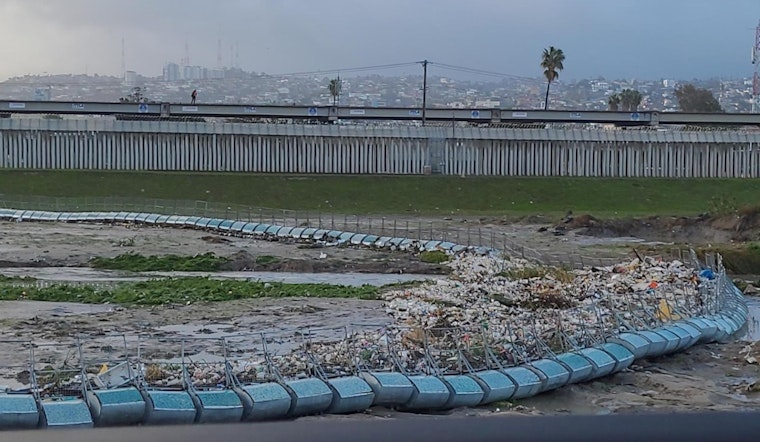
EPA Administrator Lee Zeldin is back in San Diego County today, roughly a year after taking office, to push for a lasting fix to the Tijuana River sewage mess that has dogged the region for years. His return comes as South Bay residents and businesses continue to live with foul odors, on-and-off beach closures, and the financial hit that follows every contamination scare. Local officials say this visit will be a real test of whether recent binational agreements are finally shifting from lofty pledges to visible cleanup.
Zeldin is scheduled to meet with small-business owners and elected leaders as he continues to promote what he and the agency describe as a “100% solution” to cross-border sewage flows, according to ABC 10News. He was sworn in as the 17th EPA administrator on Jan. 29, 2025, and has publicly named the Tijuana River work as a core priority for the agency, according to the EPA.
Residents See Some Progress, Still Smell Trouble
Neighbors along the estuary say they are noticing small but uneven improvements. Marvel Harrison, who has lived in Imperial Beach for six years, told ABC 10News that crews have finally begun repairs on International Boundary and Water Commission infrastructure, yet the community still gets hit with periodic waves of stench. Monitoring data back that up: the Tijuana River environmental dashboard logged about 80 air-quality complaints in the last two weeks, according to the Tijuana River dashboard.
Binational Deals And Minute 333
Over the past year, U.S. and Mexican officials have moved from talking about solutions to signing formal commitments. The two countries approved Minute 333 in December 2025, setting new infrastructure, monitoring, and operations milestones intended to lock in a long-term binational plan, according to the EPA. Local agencies note that much of the heavy lifting, including upgrades at the South Bay International Wastewater Treatment Plant and repairs to Mexico’s collection system, is still under construction and is racing to meet tight regulatory deadlines.
Legal And Regulatory Stakes
Regional regulators have already leaned on enforcement tools to speed things up. The San Diego Regional Water Quality Control Board adopted Cease and Desist Order No. R9-2025-0139, which sets interim effluent limits and requires accelerated work at the South Bay plant, according to the San Diego Water Board. That order, together with ongoing oversight of the U.S. Section of the International Boundary and Water Commission’s interim expansion and operations, means Zeldin’s visit carries both political weight and near-term compliance implications for federal agencies and binational partners.
What Locals Will Be Watching
Residents and business owners say they are looking for firm deadlines, specific funding commitments, and clear, enforceable deliverables, not another round of hopeful rhetoric. Local officials note that if Zeldin arrives with concrete timelines or clarified IBWC milestones, it could start to rebuild confidence. Without hard dates and defined money on the table, community trust is likely to stay underwater.
Thursday’s trip will not wipe away years of strain on South Bay communities, but it will serve as an early measure of whether federal and binational promises are finally translating into cleaner beaches and breathable air. After Zeldin’s meetings, all eyes will be on any new timelines, funding pledges, or enforcement steps, and on whether shoreline conditions actually change for the people living with the fallout.



