

























































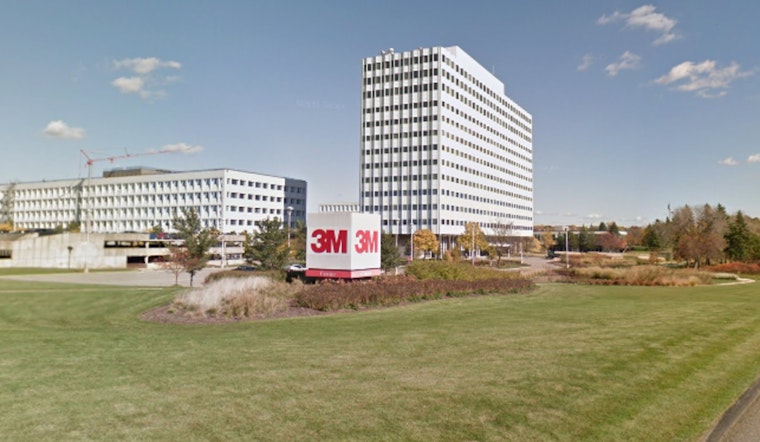
3M and Bain Capital are teaming up on a big play in the fire and rescue world, agreeing to buy Madison Fire & Rescue in a roughly $1.95 billion deal and tuck it into 3M’s Scott Safety unit. The move is set to create a supersized supplier of firefighting and rescue equipment, with respiratory protection, detection systems, and heavy rescue hardware all living under one corporate roof.
The reported structure keeps 3M in the driver’s seat with a slim majority stake, while Bain steps in as the financial muscle behind the combined operation.
According to the Twin Cities Business Journal, the purchase price for Madison Fire & Rescue is about $1.95 billion. 3M will own 50.1% of the new company and collect roughly $700 million in cash as part of the transaction. The report notes that the joint venture will merge Madison Fire & Rescue’s lineup with 3M’s Scott Safety business to create the enlarged platform.
What Madison Fire & Rescue Brings
Madison Fire & Rescue pulls together a cluster of long-established brands that produce pumps, hydraulic rescue tools, master streams, and other specialized rescue gear. The company lists its headquarters in Oak Brook, Illinois.
Madison Fire & Rescue notes on its website that its portfolio reaches more than 150 countries and includes product names many departments already know by heart. That global aftermarket and service footprint is a major piece of the value that 3M and Bain are buying into.
Scott Safety and 3M’s Safety Business
As outlined in 3M’s SEC filing, 3M acquired Scott Safety in 2017, adding self-contained breathing apparatus, gas and flame detection instruments, and related protective gear to its Safety segment. Bringing Scott together with Madison Fire & Rescue would effectively stitch respiratory protection and detection technology to Madison’s pumps, extrication tools, and other response equipment.
Deal Structure and Scale
The deal is structured so that 3M holds a 50.1% controlling stake while Bain supplies most of the financial backing. The result is a partnership between a strategic manufacturer and a private equity sponsor, each with a different role in steering the new fire and rescue platform.
Per the Twin Cities Business Journal, 3M’s take also includes about $700 million in cash as part of the transaction.
Regulatory Context and Inherited Risks
3M has been contending with PFAS-related litigation and regulatory scrutiny and has disclosed related commitments and potential liabilities in its public filings. The company’s 2022 Form 10-K details those issues and outlines the steps 3M has taken on PFAS and related product notifications.
In 3M’s 2022 Form 10-K, the company references PFAS matters and regulatory actions that have loomed over the broader firefighting and protective equipment sector. Any combined company that emerges from this deal will have to confront labeling, compliance, and legacy product questions as part of integration work and regulatory reviews.
What To Watch Next
Key milestones on deck include the parties’ release of definitive agreements, a clearer timetable for closing, and any regulatory filings that have to be cleared before the transaction is finalized. On the ground, customers, distributors, and municipal purchasing officials will be watching closely to see how the merged operation handles service networks, spare parts supply, and warranty support once the deal actually closes.
Legal Notes
Because the transaction pulls together complementary safety product lines and aftermarket service networks, buyers and public agencies will want to pay attention to any company statements on product continuity, warranties, and service arrangements.
The broader regulatory backdrop, including PFAS litigation and state notification rules referenced in 3M’s filings, may end up shaping how the new business is integrated and how public sector procurement teams approach future contracts with the combined company.





