

























































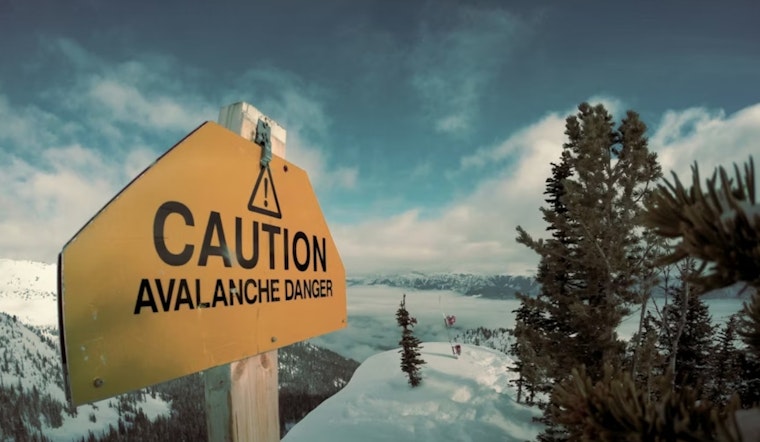
Avalanche forecasters are keeping the warning light firmly in the red for parts of Colorado’s northern mountains, where the danger rating remains "considerable" after a run of wet, windy storms. In practical terms, that means human-triggered avalanches are likely on many wind-loaded slopes, and that large, destructive slides are still possible. The renewed alert follows a fatal avalanche near Ptarmigan Pass last weekend that killed one person and mobilized search-and-rescue teams.
What forecasters are saying
Forecasters told CBS News Colorado that large, potentially deadly slides remain possible in northern mountain forecast zones. Local officials added that even slopes that have already been skied or ridden can fail remotely after fresh wind-transported snow stacks up, complicating route choices for anyone heading into the backcountry.
Storms left an unstable snowpack
According to the Colorado Department of Transportation, the March 5 storm dropped roughly 8 to 12 inches of snow across parts of the Northern Mountains and came with a warning for drivers to prepare for winter conditions on I-70 and other passes. The agency urged travelers to check COtrip before heading into the high country and reminded motorists that traction laws and chain rules may be enacted during periods of heavy mountain snow.
Recent incidents and statewide activity
Summit County crews and Flight For Life recovered a missing person from avalanche debris in the Boss Basin area south of Ptarmigan Pass after an overnight search, the Denver Gazette reports. The Colorado Avalanche Information Center logged the slide in a preliminary accident report, and staff visited the site to document the crown and debris field. In its February summary, the Colorado Avalanche Information Center describes a particularly active month, with more than 1,000 avalanches statewide, including hundreds of large slides and more than 200 human-triggered events, a stretch that left several northern forecast zones at a "considerable" danger rating.
How to travel safer
Backcountry educators point to the Know Before You Go checklist, which boils avalanche safety down to "Get the Gear, Get the Training, Get the Forecast," as the baseline for safe travel in avalanche country when danger is rated considerable, the Know Before You Go program notes. In practice, that means carrying and regularly practicing with a beacon, probe, and shovel, taking formal training such as AIARE courses, and keeping terrain choices conservative while conditions remain unstable. Hoodline covered a near-miss in the Montezuma backcountry earlier this season, and this week’s activity underscores why those cautions matter for skiers, riders, and snowmobilers alike.





