

























































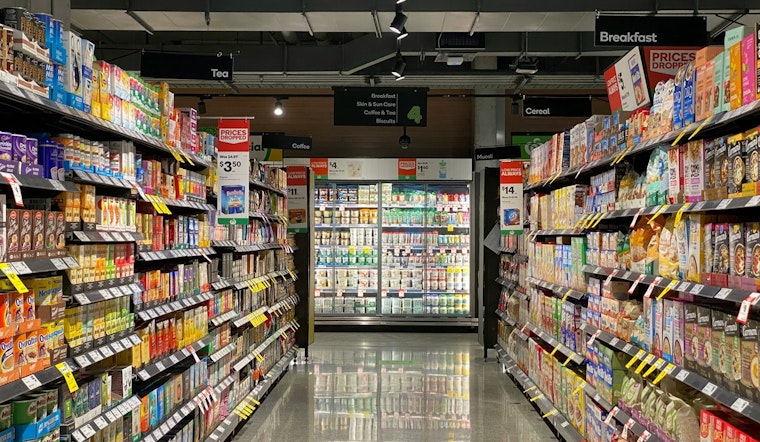
New York Attorney General Letitia James on Monday urged state lawmakers in Albany to outlaw what she calls “surveillance pricing,” in which shoppers’ personal data is used to set individualized prices. She threw her support behind two bills that would shut down personalized algorithmic pricing and would block grocery stores and pharmacies from using digital shelf labels that can change prices in real time. Her announcement signaled a shift in the fight over data‑driven pricing, moving away from simple disclosure requirements and toward outright bans on certain tactics.
One measure, A09349, would prohibit entities from setting the price of a specific good or service through “personalized algorithmic pricing” and would bar collecting, using or disclosing personal data “for the purpose of facilitating surveillance pricing,” according to the New York State Assembly. The second bill, S8616, targets food and drug retailers, banning both personalized pricing and the use of electronic shelving labels in grocery stores and pharmacies, as outlined by the New York State Senate.
Business and tech trade groups are pushing back, warning that the proposals could wipe out common discounts and open the door to a surge of lawsuits. Labor unions representing grocery and retail workers, on the other hand, are urging lawmakers to move ahead, arguing the technologies can cost workers their jobs. “These bills threaten to take away those discounts and put more strain on New Yorkers dealing with an affordability crisis,” Chelsea Lemon of The Business Council told Gothamist, while the Chamber of Progress circulated a memo contending that differential pricing can help consumers and that a private right of action would create significant litigation risk for businesses.
The push follows a disclosure law New York adopted last year that requires businesses to tell customers when an algorithm using personal data has set a price. That rule took effect on Nov. 10, 2025, according to Governor Kathy Hochul's office. In January, Attorney General James also sent Instacart a letter demanding details about its pricing experiments, a probe that helped convince some lawmakers that transparency on its own might not be enough to protect shoppers, a development that Hoodline reported on when the attorney general first pressed Instacart for answers earlier this year.
What the bills would do
Taken together, the proposals would make it unlawful to set individualized prices using an algorithm that relies on consumers’ personal data, and they would require businesses that use automated pricing systems to disclose the categories of non‑personal inputs that feed into those prices. The Assembly bill includes explicit carve‑outs for insurers, a range of financial institutions and discount or sale programs that are “offered equally to all consumers.” The grocery and pharmacy bill would additionally forbid pricing that draws on protected‑class information or data collected from minors. Both measures add enforcement tools that include injunctive relief, civil penalties and a private right of action, according to the bill texts.
Enforcement, jobs and the debate ahead
Sponsors argue the legislation is aimed at shielding shoppers from opaque and potentially discriminatory pricing, while also protecting jobs that could be lost to electronic shelving systems, points that are echoed in the Senate sponsor memo. Legal analysts note that the proposals could draw rapid court challenges over how key terms are defined and how far the rules reach, and they say lawmakers may need to sharpen the statutory language so routine loyalty programs and public sales are not inadvertently swept in, as discussed in recent legal analyses of New York’s algorithmic‑pricing framework.
The bills are currently in committee and must navigate the rest of the spring legislative calendar, with New York’s session running into early June. If both chambers approve them, they would head to the governor’s desk. The fight will center on whether lawmakers are willing to impose stricter limits on how retailers and apps set prices, or prefer to lean on disclosure and more targeted enforcement as the main guardrails, according to reporting from Gothamist.





