

























































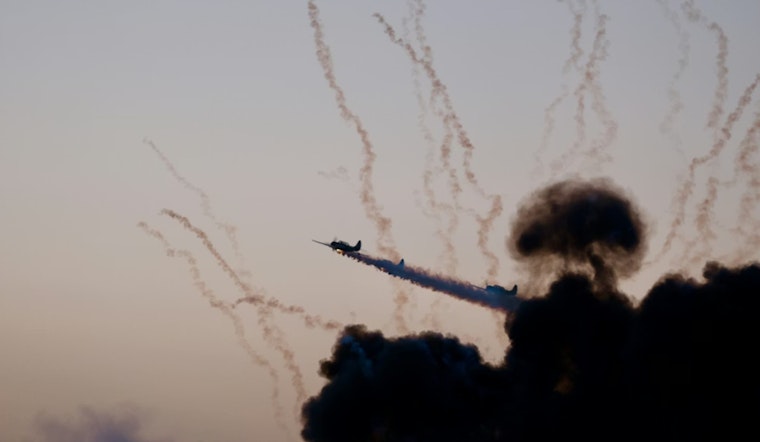
Missiles streaking across a city skyline, a high-rise engulfed in flames, sirens wailing in the background. A lot of Tampa social feeds are packed with “war footage” that looks gripping and, in many cases, is not real at all. Hyper-real AI images and recycled video have surged across platforms so quickly that local viewers and reporters say bogus posts are outpacing attempts to verify what is actually happening on the ground.
Local TV station FOX 13 Tampa Bay recently aired an explainer that walked through dozens of misleading posts and tapped AI specialists for guidance on how to spot trouble. The segment broke down an X post claiming the region’s largest U.S. radar in the Persian Gulf had been hit, a Facebook video of a skyscraper on fire where passing cars visibly warp as the camera zooms out, and a viral clip allegedly showing missiles pounding Tel Aviv. As FOX 13 News reported, those posts were either cooked up with AI tools or passed around without any independent confirmation.
Fact-checking teams and major newsrooms have been tracking how these visuals travel and keep finding the same patterns of recycling and artificial creation. According to The Associated Press, state-linked accounts and opportunistic users are pumping out AI-made or out-of-context clips to steer public opinion about the conflict.
What To Watch For
Verification pros say plenty of fakes give themselves away if you slow down and look closely. Common warning signs include flags or signs placed in strange spots, lighting that feels almost cinematic in scenes that should be chaotic, objects that look melted, stretched, or only half-formed, and background noise that seems oddly quiet for an airstrike or crowded street. As AFP Fact Check detailed, a viral Tel Aviv video checked several of those boxes, with distorted cars, broken and inconsistent smoke trails, and other artifacts that AI detectors later tagged with a very high likelihood of being synthetic.
Tools To Try
A few basic tools can go a long way. Start with reverse image searches and any metadata you can see. Full Fact recommends using Google’s “About this image” and other reverse-search services to check if a picture appeared online earlier under a different caption or carries a SynthID watermark. For video, fact-checkers have been turning to detector services such as Hive Moderation and Sightengine, along with verification plugins like InVID. In tests on that Tel Aviv clip, Lead Stories reported detector scores above 98 percent indicating AI involvement.
How Platforms And Officials Are Responding
Social media companies and government officials are trying to slow the tide, with mixed results. The Associated Press reports that X has introduced revenue penalties for accounts that post AI-generated armed conflict content without clearly labeling it. U.S. Central Command, meanwhile, has used its own social channels to knock down false claims and boost verified information, according to local reporting in Tampa.
What Tampa Readers Can Do
For anyone scrolling in Tampa, the most practical move is to hit pause before hitting share. Check who originally posted the video, look to see if established news outlets are describing the same incident, and use a quick reverse search or frame-by-frame look to spot obvious glitches. When a dramatic claim appears only on new or anonymous accounts, it is safer to wait for confirmation from established fact-checkers such as AFP Fact Check or Lead Stories, or from local outlets that can place the visuals in proper context.
Generative AI has made convincing fakes easier and cheaper to crank out, but the core habits for staying informed have not changed much. Slow down, question the source, compare what you are seeing with reporting from trusted organizations, and lean on reputable fact-checkers before amplifying anything that could be fiction. The images may flood your feed, but your own judgment is still the first line of defense.



