

























































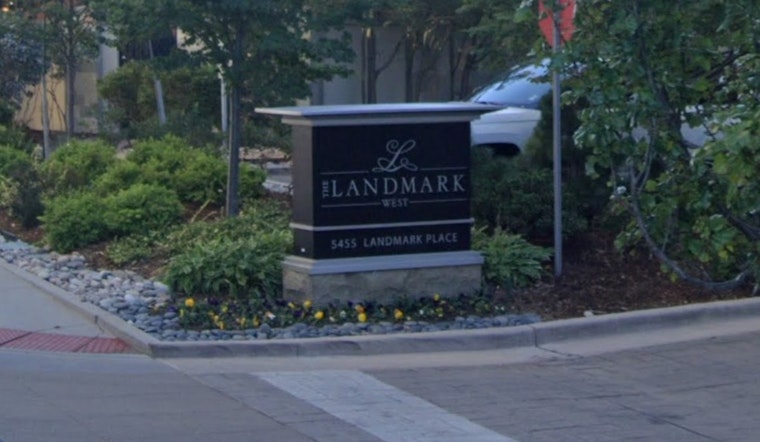
What used to be a quiet downtown Atlanta high-rise where neighbors knew each other by name now feels like a cut-rate hotel with revolving doors, residents say. Absentee LLCs and professional short-term rental hosts have scooped up dozens of condos, and longtime owners complain that building management and the homeowners association treat paying guests like VIPs while full-time residents are left in the hallway.
The fights, late-night smoke scares, and steep fee hikes have worn down many of the people who still call the building home. Some are now less focused on enjoying their views and more focused on finding a way out.
An investigation by The Atlanta Journal-Constitution found that roughly 50 LLCs, trusts, or companies control more than 90 of the building’s roughly 200 units and that four of the five HOA board members run short-term rental operations. The AJC reported that sisters who operate a group called LuLu Homes are registered agents for multiple LLCs and that public listings show dozens of nightly rentals inside the tower. Homeowners told the paper the board has raised HOA fees, allowed common-area repairs to lag, and repeatedly sided with hosts over long-term residents.
Channel 2 Action News put cameras on the chaos earlier this year, dubbing the property “hotel hell” as residents described fights, vandalism, and even chairs being hurled into the pool, WSB-TV reported. Councilmember Michael Julian Bond told the station he has proposed capping short-term rentals in multifamily buildings at 10 percent of units to rein in large operators. Neighbors say they have repeatedly gone to City Hall for help, only to learn that officials have limited tools to enforce the rules already on the books.
Why haven’t city rules solved it
The City of Atlanta’s 2021 short-term rental ordinance was supposed to prevent exactly this kind of takeover. The law requires owners to get a license and generally restricts short-term rentals to a primary residence plus one additional unit, according to the city’s ordinance. It also spells out rules for local agents, noise controls, and a complaint process.
On paper, that sounds straightforward. In practice, residents and council members say, multifamily buildings are tough to police. Units change hands through LLCs, listings move across platforms, and it can be hard to prove who actually lives where. That gap between written rules and real-world enforcement has given investor-run portfolios room to grow inside a property where hallways, elevators, and utilities are all shared.
Insurance fight and court filings
As the short-term rental wars escalated, another problem landed: insurance. Court records show an insurer sued the association in early 2025, seeking to void its property policy after a 2024 fire, alleging misrepresentations in the HOA’s application about sprinkler coverage, according to public dockets. The filings state the insurer believes sprinkler protection was limited to a small section of the basement rather than the full building.
Without solid coverage in place, the association and individual owners are staring at significantly higher premiums and a shaky operating budget, neighbors and court filings indicate. For residents already writing bigger HOA checks, that is not the kind of surprise line item they were hoping to see.
Residents push back and legal risks
Homeowners have not taken all this quietly. They have hired lawyers, organized hearings, and launched fundraising campaigns to push for change. In response, they say, the board has fired back with cease-and-desist letters and lawsuits.
The Atlanta Journal-Constitution reported that homeowner Nicky Buggs was served with a defamation complaint while she was speaking at City Hall in August 2025. Residents’ attorneys are now demanding an independent forensic audit of the association’s finances. Organizers say they are prepared to take the fight to court if that audit is delayed or they suspect it is not truly independent.
What this means for the Landmark and the city
The Landmark’s struggles have turned into a live policy test for Atlanta. Some council members and neighborhood voices are calling for tighter caps on short-term rentals and tougher enforcement, while industry groups warn that sweeping restrictions could be vulnerable if challenged in court.
For the people still living in the tower, the debate is not theoretical. Their immediate concerns are insurance, governance, and basic safety, and whether a mix of audits, litigation, and sharper city rules can turn their building back from de facto hotel into an actual home.





