

























































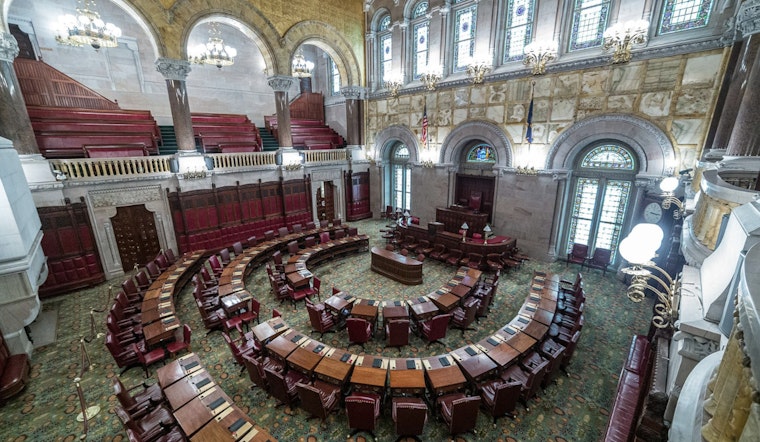
On Feb. 10, 2026, the New York State Senate signed off on a sweeping environmental package that includes a bill to block the sale of many consumer products containing PFAS, the so called "forever chemicals" used in nonstick cookware and other everyday goods. The measure targets polytetrafluoroethylene (PTFE) coatings among other items and now heads to the Assembly. Retailers, manufacturers and public health advocates are already lining up for a fight over whether those familiar slick-surfaced pans should stay on New York store shelves.
What the Senate Just Approved
The Senate cleared S.9073, a broad ban that would prohibit the sale of certain consumer goods containing regulated PFAS and require manufacturers to disclose PFAS content, according to the New York State Senate. Senator Pete Harckham sponsored the measure, and the bill text and sponsor memo list cookware, textiles, paints and several household products among the covered categories. The Senate calendar shows the bill passed 52–10 and was delivered to the Assembly on Feb. 10, 2026.
Supporters Say It Is About the Water
Backers of the legislation argue that cutting PFAS off at the source is the quickest way to keep the chemicals from seeping into groundwater and municipal supplies. Environmental groups and state lawmakers, including Assemblymember Deborah Glick, who carries the Assembly version, frame the limits as a move to avoid costly water treatment and protect public health, per NRDC. Supporters point to past detections of PFAS in New York drinking water as evidence that the state needs stricter product rules in the first place.
Industry Fires Back and Points to Federal Rules
The cookware and housewares industry counters that the coatings at issue are safe for food contact and have long been allowed under federal rules. The federal Code of Federal Regulations permits certain perfluorocarbon resins for food contact uses, detailed in 21 CFR 177.1550, and trade representatives told reporters a ban would raise costs for consumers. A New York Post story quotes cookware industry spokesman Steve Burns saying nonstick products are "100% safe."
Deadlines, Phaseouts and Competing Drafts
A raft of bills with different timelines is already in play, and not every proposal looks the same. Some Assembly measures would impose early notification requirements and phaseouts that could see certain PFAS containing products pulled from shelves within a few years, according to legal and policy trackers that map competing drafts. An industry and regulatory roundup from Alston & Bird outlines the different deadlines and enforcement approaches being debated in Albany.
The Local Cleanup Tab
Supporters also point to the cleanup burden already landing on local water systems. Reporting in the New York Post notes that Rockland County wells tested above a 10 parts per trillion benchmark and that utilities there are installing multimillion dollar treatment systems to remove PFAS. The wider federal picture also flags potential harms from PFAS exposure and the difficulty of remediating contaminated water, per analysis from the U.S. Environmental Protection Agency. For proponents, the rising cleanup bills on utility balance sheets are proof that curbing sources matters.
How Enforcement Would Work
If enacted, S.9073 would give state agencies enforcement authority and civil penalty tools against manufacturers and retailers, while carving out resale exemptions and recall provisions. The bill text and sponsor memo attach those enforcement mechanisms to the Environmental Conservation Law and spell out manufacturer disclosure, recall and penalty provisions. The New York State Senate legislative page hosts the full bill text and sponsor memo for review.
All Eyes on the Assembly
The bill now sits with the Assembly’s Environmental Conservation Committee and still needs floor action in the Assembly before it can reach the governor. Lawmakers, industry lobbyists and public health groups are gearing up for debates that will determine whether New York opts for a phased approach, an early cookware ban, or some other compromise across product categories. Observers will be watching legislative trackers and the Assembly docket for the next votes and amendments that will decide whether PFAS coated pans stay on store shelves.



