

























































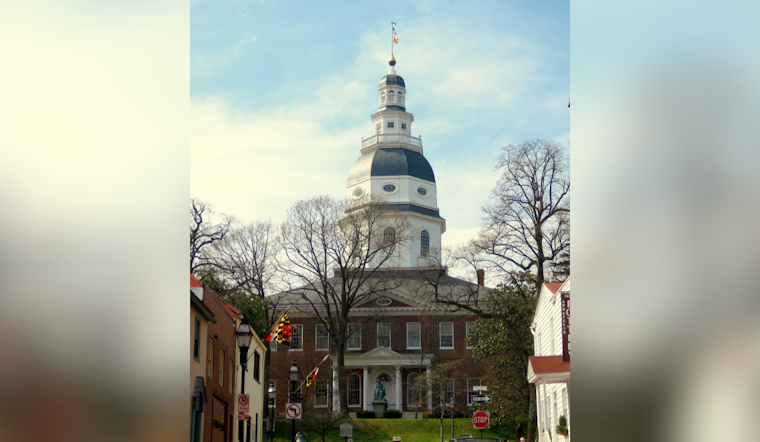
Annapolis lawmakers are sprinting to lock down a state budget as the Senate eyes a vote later this month, after weeks of closed-door negotiations. The plan on the table keeps spending in balance for now, but it still leaves projected shortfalls later in the decade that will demand hard choices. At the center of the storm is a newly enacted 3% sales tax on data and information technology services that several Republican lawmakers want to scrap.
Ferguson and Hershey lay out their lines
On FOX45's "In Depth with Mikenzie Frost," Senate President Bill Ferguson and Minority Leader Steve Hershey walked viewers through where the plan has come together and where it is still shaky. As Fox Baltimore reported, both leaders said there are agreed-upon cuts and revenue swaps, but they warned that lingering uncertainty in the revenue outlook could trigger more reductions if future forecasts sour.
Where the tech tax came from
The 3% levy on data and IT services was tacked onto last year’s budget to help plug a roughly $3 billion shortfall, and it took effect on July 1, 2025, according to The Associated Press. Lawmakers and fiscal analysts initially pegged the new levy to bring in roughly half a billion dollars in its first year, a projection reported by Maryland Matters.
Carveouts and repeal push
Some Republican lawmakers have publicly pushed to repeal the 3% levy altogether, arguing it will hike costs for customers and chill investment in the state’s economy. At the same time, Sen. Katie Hester has filed SB 600 to exempt business inputs from the tax, a change that Bloomberg Law says would wipe out about 37% of the revenue the tax is projected to raise. Those competing approaches, straight repeal versus selective carveouts, have forced lawmakers to juggle near-term revenue needs with concerns about long-term damage to Maryland’s tech sector, as local coverage has documented.
Supplemental budget, city dollars and contingencies
Last Friday, the governor submitted Supplemental Budget No. 1, a technical amendment that tweaks assumptions and redirects a handful of one-time appropriations. The filing from the Maryland Department of Legislative Services includes an $8 million grant for Baltimore City, among other adjustments, and spells out contingency language intended to protect the overall balance if revenues disappoint. In practice, that means some local projects and one-time spending could hinge on whether the tax survives as written or is narrowed.
Business reaction and the numbers
Industry groups and some Maryland tech firms have warned the tax could spur relocations and add compliance headaches for vendors and clients. The Maryland Chamber of Commerce has argued the state risks pricing itself out of growth, and national coverage has tracked business pushback as lawmakers debate fixes. Those concerns helped fuel the carveout conversation as negotiators headed into the final stretch.
What lawmakers have to decide
Lawmakers now face three broad options: repeal the tax, adopt targeted carveouts, or lean on contingency triggers and midyear adjustments if revenue falls short. Each route shifts costs differently, onto businesses, households, or state services, and the coming votes will decide which mix Maryland relies on to steady its finances.
Local stakes
For Baltimore and other municipalities, the outcome will shape funding for schools, transit, and local initiatives that are built into this year’s budget package. The Maryland Department of Legislative Services supplemental filing lays out transfers and contingencies that local leaders are watching closely as the Senate moves toward its final vote.




