

























































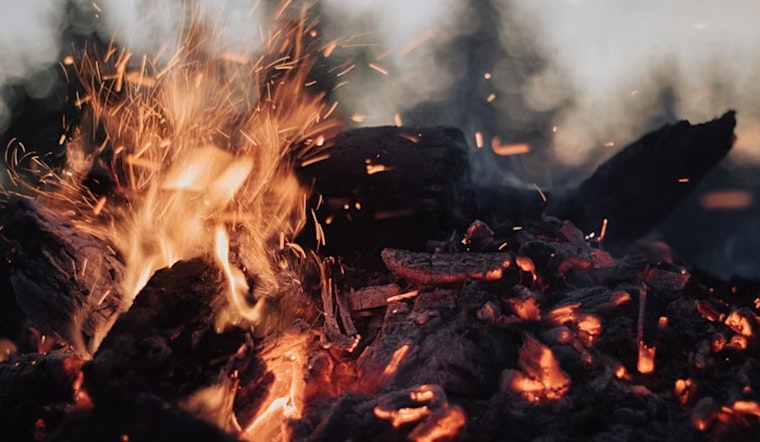
Lafayette is tightening the rules on open flames just as the weather gets hotter and drier. The City Administrator, after consulting with the Fire Chief, has authorized Stage 1 fire restrictions for all areas within Lafayette city limits, effective at 7 a.m. on Tuesday, March 31. Officials say low fuel moisture and a forecast calling for unusually warm, dry conditions have pushed local wildfire risk high enough that even a stray spark could turn into a serious problem.
The Lafayette Fire Department shared the decision in a social post, noting that the City Administrator made the declaration "in consultation with the Fire Chief" and confirming the 7:00 a.m. March 31 start time. According to the Lafayette CO Fire Department, the call was driven by low moisture levels, a forecast for high temperatures and a rising local fire danger. The department also tacked on a quick set of outdoor cooking safety pointers, a hint that backyard grills are on their radar this season.
What Stage 1 Means for Residents
Stage 1 is not a total fire shutdown, but it does put real limits on what you can light. The city is prohibiting open burning and fireworks and is placing restrictions on some outdoor smoking and other spark-producing activities. At the same time, enclosed gas- or propane-fueled cooking devices and certain contained grills on private property are still allowed when used correctly.
The City of Lafayette outlines in detail what is off-limits and what is still permitted with conditions. Residents are reminded that activities that might feel routine in wetter times, such as leaving a charcoal pit unattended or setting off fireworks, are specifically barred while Stage 1 is in effect.
Fire Safety Advice From Officials
Fire officials are also leaning hard on common-sense precautions. In its post, the department urged people to store starter fluid properly, keep anything combustible at least three feet away from any cooking device, keep a close eye on children and pets around heat sources, and never walk away from hot charcoal. The advice extends to basic yard work, too: clean up dry debris and have a fire extinguisher nearby when cooking outdoors.
According to the department, these simple habits take on extra importance when fuels are dry and heat or winds are elevated, since that one ember that usually fizzles out can be enough to start a neighborhood blaze.
Regional Context
Lafayette is not acting in a vacuum. Across the Front Range and the plains, counties and federal agencies have been shifting into Stage 1 in recent months as persistent dryness meets warmer forecasts. Boulder County, for example, put Stage 1 restrictions in place for parts of the plains last December and similarly pointed to low moisture and high temperatures when explaining the move. Lafayette officials note that they look at county conditions along with national fire-danger data when deciding how strict city-level limits should be.
Enforcement And Legal Authority
City leaders are not just making strong suggestions. The authority to impose and publish fire restrictions comes from City Ordinance No. 26 (Series 2022), which gives the City Administrator the power to declare restrictions after consulting with the Fire Chief and requires that the declaration be posted on the city website. Under that ordinance, activities that fall under the restrictions are unlawful, with enforcement handled by the police department and the fire marshal and penalties processed under the municipal code.
Residents who want the fine print on enforcement are encouraged to review the ordinance language and related code provisions. For the complete rundown of what is prohibited, what is allowed, and the official safety advice, visit the City of Lafayette, and keep an eye on Lafayette Fire Department updates for any changes as conditions evolve.





