

























































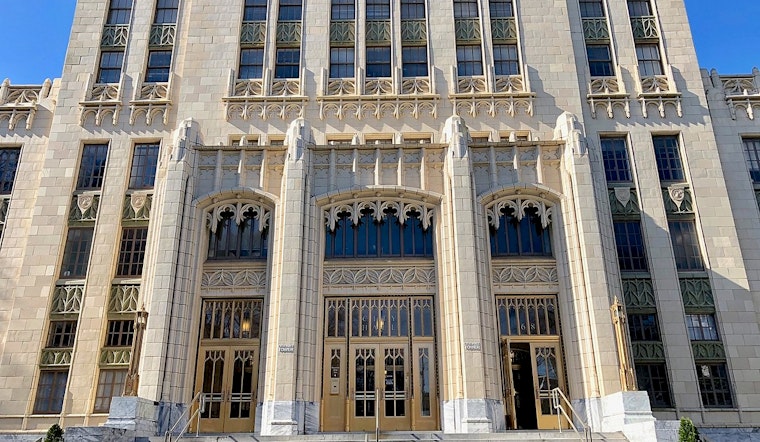
Atlanta is trying to make sure the 2026 FIFA World Cup is more than just a month of soccer and traffic. On Monday, city leaders rolled out a citywide human rights blueprint that is supposed to shape how the tournament is hosted and what is left behind. The ATL26 Human Rights Action Plan promises protections for workers, people with disabilities, immigrants, and unsheltered residents, and it ties specific legacy projects directly to the global event. Officials are pitching it as a way to make sure the World Cup happens with Atlanta, not in Atlanta.
According to the City of Atlanta, the ATL26 plan was led by the Mayor’s Office of One Atlanta and was formally adopted by the City Council through Resolution 26‑R‑3106. City officials say the document was shaped by more than 75 hours of community engagement and input from more than two dozen local organizations.
Leaders organized the plan around four pillars: Inclusion and Safeguarding, Workers’ Rights, Access to Remedy, and Accountability. The city also set a $17.50 per hour baseline for FIFA-related jobs that it coordinates, according to CBS News Atlanta. Local broadcast outlets captured the rollout as well, including a video report from 11Alive.
Legacy initiatives and targets
The plan links eight "Legacy Impact Initiatives" to measurable targets, laying out what is supposed to change on the ground rather than just on paper. Those goals include a pledge for 500 permanent supportive housing units and a target to rehouse 2,000 households across 2025–2026, more than 1,000 anti‑trafficking trainings by June 2026, and a citywide Accessibility Readiness Kit due in May, as detailed in the ATL26 Human Rights Action Plan. The document also commits the city to quarterly public progress reports and a comprehensive post‑Games human‑rights impact report within six months of the tournament's end. ATL26 Human Rights Action Plan (PDF)
Community reaction
Advocates are cautiously nodding along but keeping their red pens out. Many welcome key pieces of the plan but argue it needs actual teeth to matter. Play Fair ATL, a coalition of labor, housing and immigrant‑justice groups, has pressed for legally binding guarantees and pushed for a roughly $26 per hour minimum for many tournament jobs. The coalition has also raised alarms about displacement pressures and the treatment of unsheltered residents, according to The Atlanta Journal‑Constitution.
That skepticism is not unique to Atlanta. FIFA required host committees to prepare human‑rights action plans for 2026, but advocates and experts have warned that these documents are frameworks, not self‑executing fixes, and that they need far clearer enforcement mechanisms, as reported by The Associated Press. Local organizers and national watchdogs say the real test will be ongoing monitoring and public accountability, and whether the lofty promises become concrete protections.
Legal and policy questions
One big constraint sits in state law. Georgia prohibits local governments from imposing wage or employment‑benefit mandates on private employers, which complicates how far the city can go in demanding higher pay across contractors and vendors. Georgia Code §34‑4‑3.1 preempts local wage mandates, so many observers say the ATL26 wage baseline is most likely enforceable only for roles the city directly hires or controls. City officials say the plan focuses on standards the city can coordinate and monitor while relying on partnerships and voluntary agreements to extend those norms more widely.
The plan also plugs into economic readiness efforts that are meant to keep local businesses from being sidelined during the global spectacle. The city's Showcase Atlanta initiative will offer marketing grants, loans and a youth entrepreneurship accelerator to help small businesses gear up for match‑week crowds, according to GPB News. Officials say community groups and residents will continue to have a role in watching how the rollout unfolds and in holding leaders to the plan's public reporting commitments.




.jpg)