

























































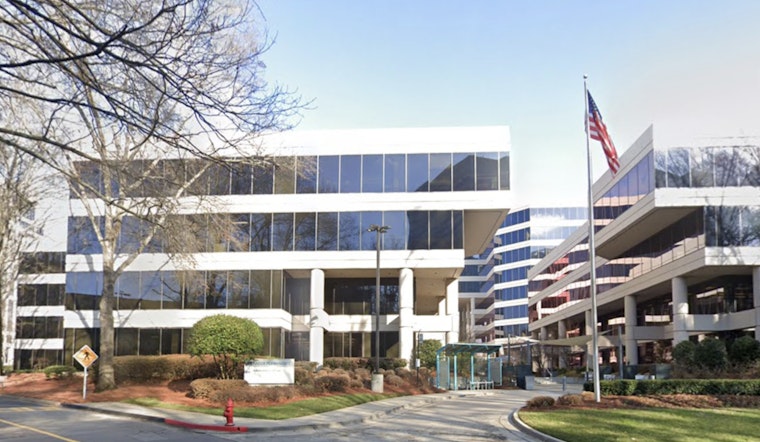
After months of tense bargaining, Kaiser Permanente and the union representing roughly 2,600 Georgia employees have finally hammered out a new collective bargaining agreement, the parties announced Monday. The deal wraps negotiations that started in October 2025 and reshapes pay schedules, benefits, and the way local bargaining is handled across the state.
According to The Business Journals, the agreement covers about 2,600 Kaiser workers in Georgia and was negotiated locally as part of a broader Alliance bargaining campaign with Kaiser.
Union: Pay Gains, Parity And Local Power
Union leaders say the package delivers across-the-board wage increases totaling 21.5% over four years, with the biggest raises front-loaded. On top of that, it layers in market adjustments, longevity premiums, and other economic tweaks aimed at making pay more competitive.
Union materials also highlight new efforts to line up contract language across UFCW locals and to give local bargaining committees more say over staffing and pay scales, a shift the union frames as real power at the shop-floor level rather than just on paper. UFCW shared those details with members as tentative terms before ratification votes were scheduled.
Kaiser Frames Its Offer
Kaiser, for its part, is calling the proposal a historically strong pay package. The organization says that when step increases and local adjustments are added in, total pay gains will average roughly 30% over the life of the agreement.
The company has pushed to resolve more issues at local bargaining tables, arguing that handling disputes closer to home speeds up settlements and gets raises into paychecks faster instead of waiting on one massive national deal. As outlined by Kaiser Permanente, the offer also includes minimum-rate adjustments and select benefit improvements in markets that include Georgia.
What Comes Next
The agreement still has to clear the standard local ratification process. Earlier in March, union communications set up electronic voting windows and member webinars so bargaining committees could walk workers through the fine print before they cast ballots.
In those updates, the union laid out the expected timeline for member votes and implementation steps, as stewards and bargaining teams continue briefing members on what is in the deal and when changes will hit paychecks. UFCW outlined the voting and rollout schedule.
Why This Matters In Georgia
For Georgia clinicians and support staff, the agreement promises quicker, larger pay increases for many roles and could ease some of the hiring and retention headaches in pharmacy, lab, and clinical-support positions. In a tight healthcare labor market, that kind of movement on wages and structure is not a small thing.
The Georgia deal also lands in the middle of a broader wave of contract activity at Kaiser. Tens of thousands of Kaiser workers on the West Coast recently reached tentative agreements and headed back to work earlier this year, a national backdrop that helped keep pressure on local talks in other regions. AP reported on the larger return to work following the West Coast strike actions.





