

























































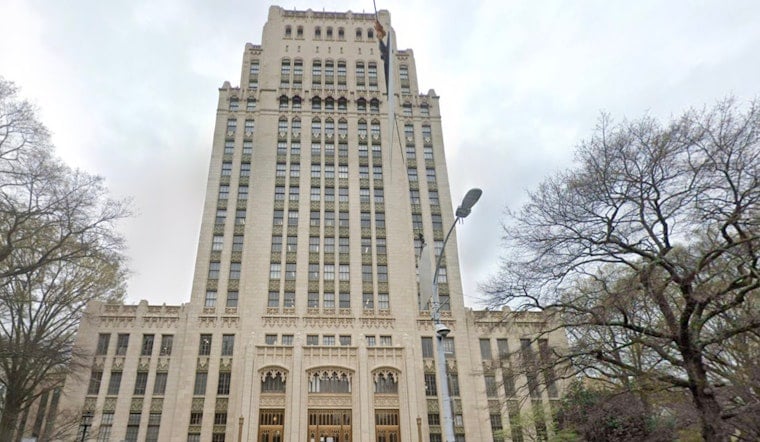
Atlanta’s much-hyped “blight tax” was supposed to be the city’s big stick against crumbling, long-neglected properties. Instead, an audit released this month found the 2024 ordinance is still sitting on the shelf, with zero bills sent and not a single blight-tax dollar collected.
The review found that the city has not yet figured out how to systematically identify and bill owners of formally designated blighted properties or even who, inside City Hall, will actually run the program. Officials told auditors they expect to bring follow-up legislation and make key staffing calls soon, so the law can finally move from paper to practice.
Audit Says Crackdown Is Still Only On Paper
The City Auditor’s Implementation of Blight Tax review concluded that the blight-tax ordinance was “not in effect” at the time of the audit and that no properties had been charged under it. The report also notes that the city had not collected any revenue tied to the program and that basic procedures for adding or removing properties from the blight list were still not in place, according to the City Auditor's Office.
What The Auditor Looked For
The review was designed to check whether the groundwork for enforcement existed before the city starts mailing out beefed-up tax bills. As part of the Implementation of Blight Tax audit, the City Auditor’s Office looked for clear processes to identify blighted parcels, apply the increased millage rate and track any resulting revenue. The office also examined how property owners would be notified and how any extra tax dollars would be earmarked and spent, according to the City Auditor's Office.
How Painful The Penalty Could Be
The ordinance Atlanta passed in August 2024 authorizes a punitive increase of up to 25 times the city’s general operating millage rate on properties that are officially designated as blighted. That is not a typo. The audit used a sample bill to show how steep that can get: a property assessed at $100,000 that would normally owe about $952 in city taxes could be hit with roughly $24,000 under the 25-times levy, according to the City Auditor's Office. The text of the law is filed as City Council Ordinance No. 24‑O‑1370.
Accountability Push Meets Fears Of Misuse
Supporters say the measure finally gives Atlanta real leverage to force absentee and corporate landlords to fix up or sell problem properties that have dragged down neighborhoods for years. The threat of a tax bill dozens of times higher than normal is meant to nudge owners to clean up or cash out.
But some city officials and community advocates are not convinced the tool will always be pointed in the right direction. They worry the same mechanism could be used against vulnerable residents who are already struggling to hang on to their homes.
“My concern is that this could potentially be weaponized against low‑income homeowners,” Councilmember Liliana Bakhtiari told The Atlanta Journal‑Constitution, which reported on the ordinance when it passed in August 2024.
Another Georgia City Has Already Tried It
Atlanta is not the first jurisdiction in Georgia to reach for a redevelopment or blight-tax model. Macon‑Bibb County launched its Community Redevelopment Tax Incentive Program in 2019 as a way to pressure owners to remediate or redevelop blighted parcels. Local officials there have leaned on a mix of formal notices, public hearings and remediation funds to move properties into compliance. The county’s own materials outline the 2019 launch and the steps that followed, according to Macon‑Bibb County.
What Happens Next At City Hall
City officials told auditors they hoped to identify the public officer who will oversee Atlanta’s blight-tax program by the end of March and planned to present additional legislation in April to spell out roles and responsibilities for the program, according to 11Alive.
Until City Hall settles those details and builds the billing, appeals and tracking systems the auditors say are missing, Atlanta’s blight tax will remain what it is today: a powerful-sounding tool that the city still cannot actually use on neglected properties.



