

























































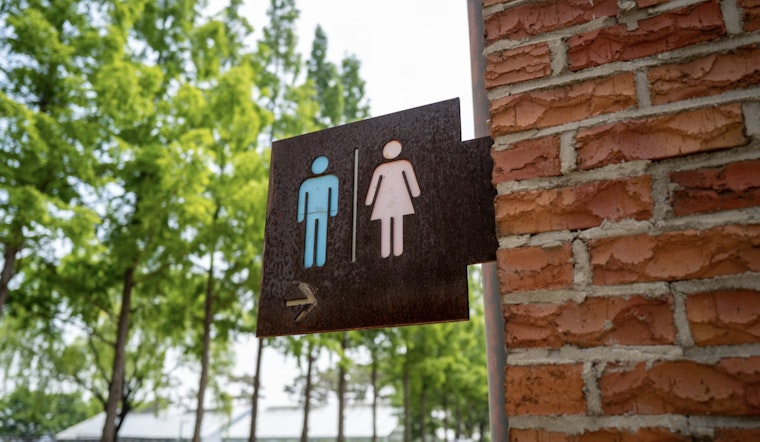
Atlanta is racing toward FIFA’s 2026 World Cup, but some local researchers say the city could blow its big moment over something very basic: where everyone is supposed to go to the bathroom. A Georgia State University research team found that in the core pedestrian corridors around downtown and the stadium, the supply of guaranteed, free public restrooms is surprisingly thin, with only a few open around the clock. With fans expected to cluster along the Beltline and near Mercedes-Benz Stadium on match days, that shortfall could translate into long lines, locked doors and extra headaches for small businesses and city crews.
What the Georgia State survey found
Professor April Ballard and her Georgia State team mapped public and private bathroom options across 15 priority areas and identified 30 facilities that looked like public toilets. Only 18 of those met the team’s standard of being free and available to anyone without a purchase, key card or employee badge. Within that smaller pool, just three bathrooms operated 24/7, four required some form of permission to use and five were single-stall units, leaving especially limited guaranteed access near Mercedes-Benz Stadium and Centennial Olympic Park. The city’s five automated public toilets, installed in 2008, are now aging, and at least one has been out of service for more than a year, which only deepens the gap. Ballard lays out the findings in an op-ed in The Atlanta Journal-Constitution.
Big crowds, thin infrastructure
Atlanta is slated to host eight World Cup matches, and organizers and local partners are bracing for hundreds of thousands of visitors over the course of the tournament. The Atlanta Beltline projects that roughly 300,000 unique spectators will pass through the region during the event. A car-oriented city will temporarily become a dense, walkable event zone, concentrating restroom demand in fan areas, transit hubs and key Beltline segments that currently offer very few guaranteed public options. The Beltline has introduced a small-business readiness toolkit and festival-style planning to steer visitors along nearly 17 miles of trail activations, but bathroom access remains one of the most visible and practical missing pieces for the summer. The Beltline’s World Cup planning materials are outlined by Atlanta Beltline.
Three fixes Atlanta could pursue
Local officials have several paths they could take. One option is to fund a network of permanent, 24/7 public restrooms in high-traffic corridors. Another is to bring in rapid-deployment or high-tech no-water kiosks tailored to the tournament. A third approach would be to incentivize nearby businesses to open their bathrooms to the general public. Private vendors such as Throne Labs sell sensor-enabled, low-maintenance units that can be set up quickly, while the “Nette Toilette” model used in parts of Europe pays businesses a modest monthly stipend to let pedestrians use their facilities. Public health policy briefs note that these small, recurring payments, often in the tens or low hundreds of dollars per month, can expand restroom access at far lower cost than building new city-owned infrastructure, according to a policy overview from the Network for Public Health Law.
Lessons from other host cities
Other major host cities have already written versions of this playbook. For the Olympics, Tokyo and Paris boosted restroom capacity with a mix of permanent upgrades and temporary, eco-friendly units, guided by planning efforts that treated hygiene and bathroom logistics as core pieces of event operations. In San Francisco, the staffed “Pit Stop” program shows how having attendants and regular cleaning can keep public toilets usable while cutting down on street-cleanup costs. A comparative review of Olympic restroom planning highlights how these elements were woven into broader event strategy, and San Francisco Public Works details how its staffed model operates across multiple neighborhoods. Across case studies, the most effective mix for big events combines mobile restroom trailers, staffed kiosks and clearly mapped and advertised bathroom locations.
“Public bathrooms are not a luxury. They are basic infrastructure — critical to health, dignity and hospitality,” Ballard wrote, urging the city to pursue both permanent investments and short-term fixes so Atlanta’s welcome matches the scale of its World Cup ambitions. With months to go before the first whistle, advocates argue there is still time to test rapid-deployment units, business incentive programs and staffed restroom kiosks in the corridors where fans are most likely to walk.





