

























































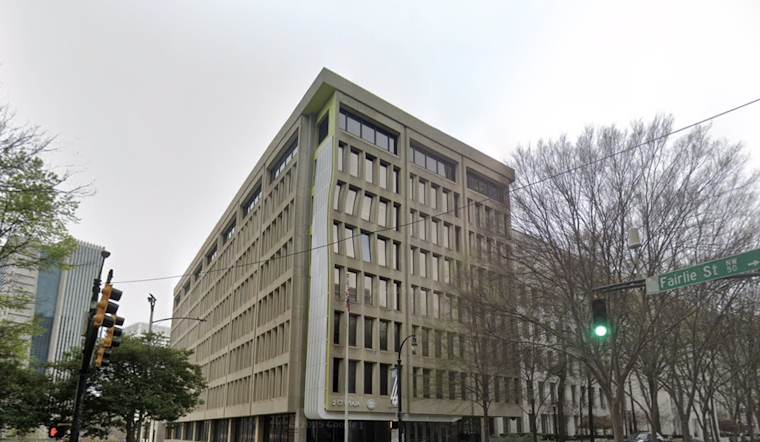
Atlanta's own internal watchdog says a missing wallet at the Department of Watershed Management spiraled into something far more serious, concluding that six employees abused their authority and that their conduct met the elements of felony false imprisonment. The April 2024 episode, which allegedly involved five workers being held for hours, has rattled staff and reopened old tensions at City Hall. Interim Inspector General LaDawn Jones Blackett has referred the case to law enforcement for a possible criminal review.
According to FOX 5 Atlanta, Blackett's review, released by the Office of Inspector General in November 2025, found that managers and investigators "committed abuse of position" and that their actions "meet the elements of false imprisonment under O.C.G.A. 16-5-41." Investigators concluded that the group corralled an entire unit into a conference room during the wallet search and kept five employees there for hours. The report notes that a uniformed officer was posted outside the door while the search and questioning unfolded.
The OIG named six people in its findings, identifying Yolanda Broome, DeValory Donahue, Sterling Graham, Mischa Roberson, Rina Bradley and Joe Fortson, and said the evidence supported referring the matter to state and federal investigators, according to Yahoo. Whistleblowers told investigators they were ordered to empty their pockets and write statements, and one said employees were told they could not leave, even to use the restroom. The OIG file also included a faded Garrity Rights form, which employees say underscored how coercive the whole scene felt.
Workers who first sounded the alarm later told investigators they were pushed into what one described as a "sham investigation," signing illegible paperwork and waiving the right to representation, Black Enterprise reported. Their March 2025 whistleblower letter, sent to state and federal prosecutors and copied to the mayor and City Council, alleged broader mismanagement inside the department and triggered internal shakeups within the inspector general's office. One deputy inspector general listed on the letter resigned that same day, sources said.
The controversy is landing in the middle of a larger fight over how the OIG itself operates. In February, a group of former city employees sued over subpoenas for bank records that they say were issued without proper notice, and the OIG has since drawn criticism and calls for reform, Atlanta News First reported. City Council members have been debating tweaks to the office's charter and oversight structure as they try to balance independence with accountability. That backdrop helps explain why a wallet search inside Watershed is echoing far beyond that one conference room.
Implications For City Oversight
The wallet episode has sharpened the City Council's focus on what guardrails should exist around the Office of Inspector General and how to protect both city employees and the public. According to city documents, councilmembers are weighing whether to tighten or loosen the OIG's subpoena and reporting powers and how to handle compelled statements so future investigations do not trip over procedural lines. Earlier this year, council materials called for clearer rules, peer review and additional safeguards, and that conversation has taken on new urgency in light of the Watershed findings. Proposed changes outlined by the City Council aim to reinforce both the office's independence and the mechanisms for holding it accountable.
Legal Implications
The OIG's conclusion that the conduct "meets the elements of false imprisonment" could expose the named employees to criminal scrutiny under Georgia law, which defines false imprisonment as unlawfully detaining another person without legal authority. Justia outlines the statute, O.C.G.A. 9, that prosecutors would look to, and the OIG has already sent its findings to state and federal law enforcement for potential prosecution, FOX 5 Atlanta reported. Whether any charges actually materialize will depend on decisions by prosecutors and the weight of witness accounts and documents gathered in the case.
The mayor's office and the Department of Watershed Management have not publicly commented on the OIG referral, and media reports say the city had not responded to questions at the time of publication. Yahoo detailed the OIG's referral and the timeline of internal complaints. For now, the finding has intensified debate over how Atlanta polices its own workforce and how securely whistleblowers can step forward when something seems off.



