

























































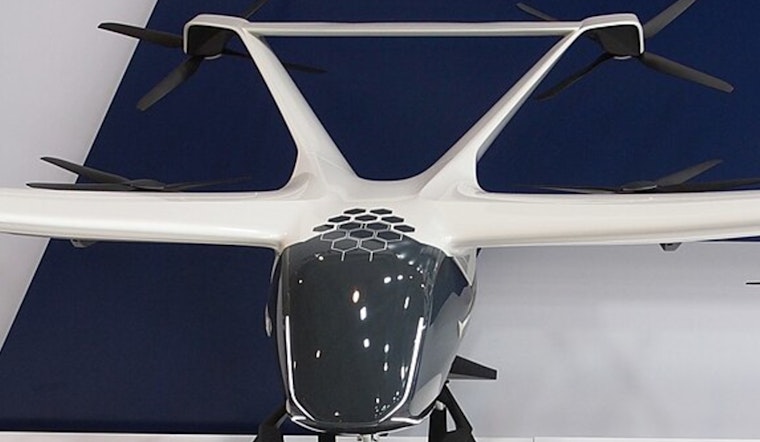
Austin just landed a front-row seat in the race to get electric air taxis off the drawing board and into the sky.
The Texas Department of Transportation has been tapped to run Project Nexus, a three-year federal pilot that will test electric air taxis and other advanced aircraft across the Texas Triangle, which means test flights will include Austin. The phased program is scheduled to start later in 2026 and will ramp from route-mapping flights with existing airplanes and helicopters, to cargo and medical logistics trials, then eventually to passenger eVTOL air taxi flights.
For Austin, the news drops a fresh batch of planning headaches on local officials’ desks, including where vertiports might go, how zoning will adapt, and what new noise patterns residents might be dealing with as regulators and manufacturers map out where these aircraft can safely operate.
According to the FAA, U.S. Transportation Secretary Sean P. Duffy and the agency announced on March 9 that eight pilot projects were chosen under the new eVTOL Integration Pilot Program, with the Department of Transportation expecting operations to begin as soon as summer 2026. FAA Deputy Administrator Chris Rocheleau said the pilots will “provide valuable operational experience” that will help define the standards needed to enable safe Advanced Air Mobility operations.
Per TxDOT, Project Nexus will roll out in stages. Phase One will use existing airplanes and helicopters to evaluate candidate routes. Phase Two will focus on medical and cargo runs between rural facilities and urban medical centers in Austin and San Antonio. The final phase is expected to stage eVTOL air taxi flights across Dallas, Austin, San Antonio and Houston. “The future of aviation is taking flight,” TxDOT Emerging Aviation Tech Director Sergio Roman said in the department’s release.
Who's involved
TxDOT says it is coordinating with aircraft makers and operators, including Archer, Joby, BETA Technologies, and Wisk.
Archer has said the program creates a pathway for its Midnight air taxi, positioning it to begin real-world operations on designated routes if regulators are satisfied with the data. Joby, which has long pitched its aircraft as quiet and fully electric, has called the announcement a defining moment for getting air taxis flying real routes in U.S. cities. BETA Technologies, selected for multiple national pilots, will concentrate much of its Texas work on testing cargo and medical-supply logistics.
What it means for Austin
City officials had previously pursued a separate application, with Austin-based LIFT Aircraft leading that effort, but the city-led proposal was not selected, a city spokesperson told Community Impact.
Instead, Austin will plug into TxDOT’s statewide framework. Local planners will now have to wrestle with questions about where vertiports can realistically sit, what zoning changes might be needed for new facilities and flight corridors, and how to structure community outreach before the first test aircraft start buzzing over neighborhoods.
TxDOT has said it will host public outreach and feedback events as Project Nexus moves forward, giving residents chances to raise concerns and ask detailed questions about flight paths, schedules, and noise. Those meetings are likely to shape which routes are viewed as politically and practically viable inside the city limits.
Regulatory road map
The U.S. Department of Transportation has framed the eVTOL Integration Pilot Program as one of the largest real-world testing environments yet for next-generation aircraft. The goal is to generate hard data that regulators can use to write new rules for air taxis and other Advanced Air Mobility systems. Secretary Duffy said the selected projects will “dramatically improve how people and products move.”
Several industry partners are already advancing critical certification steps. Joby, for example, says it has begun flight testing FAA-conforming aircraft as part of its path to a Type Inspection Authorization, a key step that will feed directly into the pilot operations and ongoing FAA oversight connected to Project Nexus.
What to watch next
Residents should look for a few milestones over the next couple of years: TxDOT-hosted community meetings, the finalization of Other Transaction Authority agreements that lock in operational details for the pilots, and a first round of route-validation flights later in 2026 if those agreements stay on schedule.
Community Impact reports TxDOT and its partners will roll out outreach and feedback sessions as the program advances, and Austin officials say they will coordinate closely with state and federal regulators as testing begins. If all goes according to plan, Austin’s skyline could double as a test track for air taxis before the decade is out, with the city trying to prove it can welcome futuristic aircraft without creating futuristic headaches on the ground.



