

























































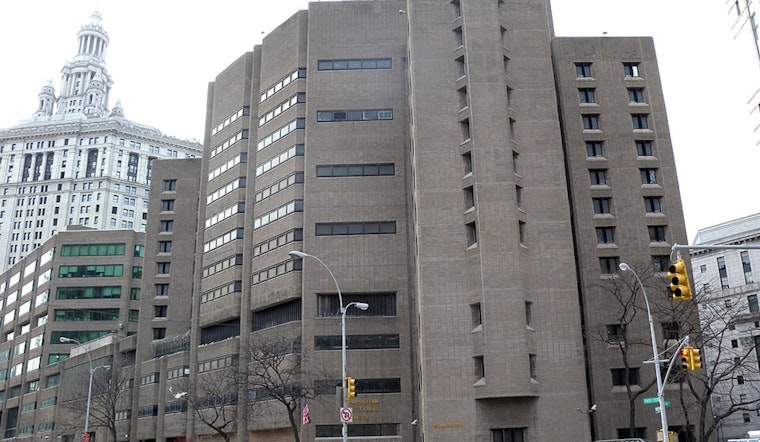
Days after Jeffrey Epstein was found dead in his lower Manhattan cell, corrections staff at the Metropolitan Correctional Center were reportedly hauling bags of shredded paper out to the jail’s rear gate. Federal records say multiple bags were taken outside and tossed into a dumpster on Aug. 15 and Aug. 16, 2019, less than a week after Epstein’s Aug. 10 death. Prosecutors later discussed whether the destruction could amount to obstruction, but no charges were filed over the shredding.
Bags of shredded paper hauled to rear gate, officer told FBI
As reported by the Miami Herald, an MCC gate worker told FBI agents that members of a Bureau of Prisons after-action team brought "three large bags of shredded paper" to the rear gate and said, "They are shredding everything back there." The same wording appears in FBI FD-302 interview notes that are part of the public Epstein file, as archived at Yirah.fi.
Investigators flagged the shredding and debated checking the dumpster
Justice Department documents and follow-up emails show the Office of the Inspector General passed the shredding account to federal prosecutors, who quickly asked whether investigators could check the dumpster "ASAP" and researched 18 U.S.C. § 1519, the obstruction statute that covers destruction of records. That chain of events is laid out in an analysis of removed and restored EFTA documents that track the federal death-investigation files, which Epstein-Data has reviewed.
Guards indicted over falsified logs; case later dropped
The U.S. Attorney’s Office in Manhattan announced in November 2019 that officers Tova Noel and Michael Thomas had been indicted for falsifying inmate counts and failing to conduct required 30-minute checks on Epstein, according to the U.S. Attorney's Office for the Southern District of New York. Court records show prosecutors later moved to dismiss the case after the officers completed deferred-prosecution terms, and a judge entered a nolle prosequi on Jan. 3, 2022; see Roll Call for the filing.
OIG report found staffing and monitoring failures
In 2023, the Justice Department’s Office of the Inspector General released a review that cited "numerous and serious failures" by MCC staff, including missed rounds, camera problems and mistakes in cell assignments. The report concluded those failures created the conditions that allowed Epstein to be alone and unmonitored. At the same time, the OIG said it did not find evidence that contradicted the New York City medical examiner’s ruling of suicide; see the Justice Department Office of Inspector General for details.
Why these files matter now
The Miami Herald coverage arrives in the middle of a broader wave of disclosures, restorations and removals affecting the Justice Department’s public Epstein file, a process that has put fresh focus on raw investigative records. As the department has rolled out documents in stages, national reporting and the release timeline have sharpened attention on which interviews, logs and emails remain publicly available. The Associated Press and researchers monitoring the EFTA corpus have documented changes to what is accessible.
Legal implications
Prosecutors appear to have considered obstruction concerns tied to document destruction but ultimately pursued the falsified-records case against the guards who were on duty the night Epstein died. The shredding allegation now lives on in the FD-302 interview record and in public reporting about what unfolded at MCC in the days after the death. Readers can consult the FD-302 text hosted at Yirah.fi and the previously cited Justice Department and court filings for the primary documents.





