

























































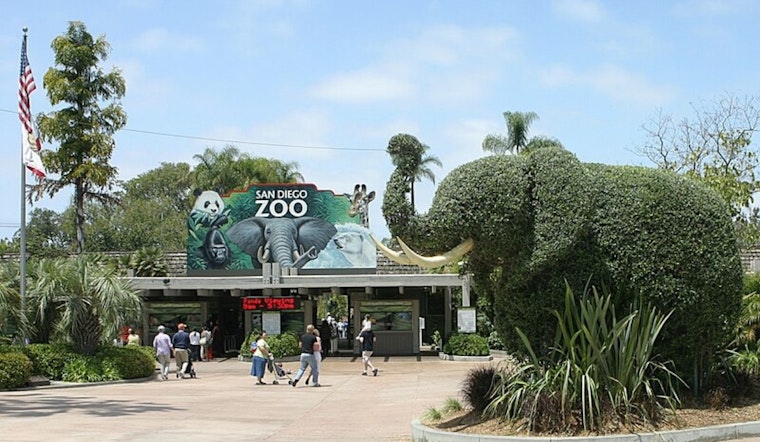
The City of San Diego and the San Diego Zoo have struck a proposed deal to extend the zoo’s lease in Balboa Park by 52 years, potentially keeping the world-famous attraction on the mesa through July 2078. The agreement links the zoo’s long-term footprint to new revenue-sharing and construction rules at a time when paid parking is already changing how visitors move through the park.
San Diego Zoo Wildlife Alliance’s board voted unanimously to approve the draft extension, and city leaders say the terms were crafted to deliver both revenue and community benefits. Mayor Todd Gloria has praised the arrangement as a way to safeguard a civic institution while producing tangible returns. Some of those payments are tied directly to the zoo’s new paid-parking program. As reported by The San Diego Union-Tribune, the extension would run through July 2078.
Parking Changes And Who Pays
Paid parking in Balboa Park, including the zoo’s lots, went into effect on Jan. 5, 2026, and it sits at the center of the lease talks. The City of San Diego’s Balboa Park parking page outlines the tiered pricing and resident verification system that offer discounted rates to verified city residents, and the zoo’s visitor information lists a $16-per-day standard lot rate, with discounts and registered-member options for residents and volunteers. The City of San Diego and San Diego Zoo provide the schedules and rate details that were used in the agreement.
What The Proposed Lease Would Require
The draft deal spells out payments and conditions that would change how future work and development on zoo land proceeds. It would require the zoo to make a $3 million annual payment to the city, described in the agreement as contingent on paid parking, with a 3% annual escalator beginning in 2030. The proposal would split net parking revenue equally between the city and the zoo, require prevailing wages on large construction projects, and mandate that new or significantly renovated buildings meet climate-friendly standards. The lease also calls for benefits such as roughly $250,000 a year in free tickets for nonprofits, schools and local children and dedicated parking for War Memorial operations, according to The San Diego Union-Tribune.
Money, Backlash And Next Steps
City officials say the revenue-sharing structure and the one-time and ongoing payments tied to the lease could bring in substantial sums over the life of the extension. That possibility has sharpened public scrutiny as museums, clubs and everyday visitors adjust to paying for parking in a park that long offered it for free. Local outlets report that the city tweaked parts of the parking rollout after public pushback, adding resident discounts and a verification portal, and officials say parking revenue will be used for Balboa Park maintenance and repairs. For more on the parking rollout and the recent changes, see KPBS and Axios.
The proposed extension remains a draft and still needs to clear legal review and final city approvals before it becomes binding. Supporters see the arrangement as a way to lock in the zoo’s future while funding park upkeep. Critics worry the long-term tradeoffs could change access and costs for the everyday San Diegans who treat Balboa Park as their backyard.



