

























































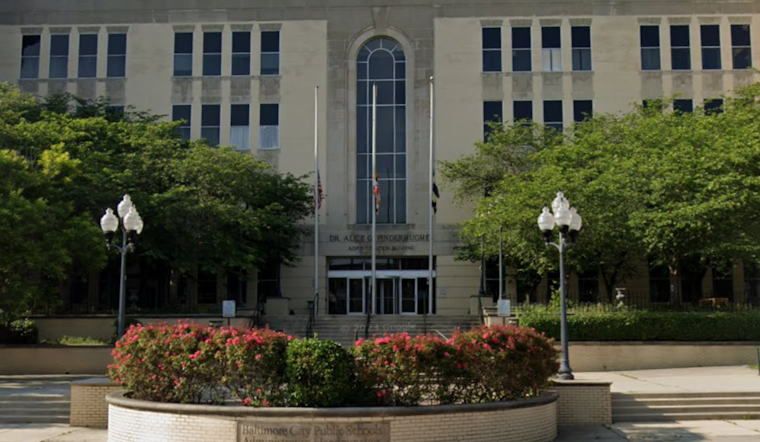
Baltimore City Schools’ top educator is pushing a serious pullback on screen time for the district’s youngest learners, calling for kindergarten through second grade to get only short, focused tablet sessions - roughly 15 to 20 minutes a day - with devices shared in classrooms instead of every child clutching a personal iPad. Pre-K, under the idea, would be almost entirely device-free, while third graders would hang on to their individual tablets because they are locked into computer-based state tests. The plan is being framed as a bid to protect attention spans and early brain development at a time when a lot of adults are wondering if we are overstimulating kids before they can even tie their shoes.
CEO Sonja Santelises floated the outline at a recent meeting, telling attendees that "we have to prioritize protecting the attention span and the brain development of our children," and warning that "technology eats executive functioning for breakfast," as reported by The Banner.
What Would Change In Classrooms
Under the proposal, K-2 students would lose guaranteed 1:1 tablets, with teachers instead planning short, intentional "tech bursts" and sharing school laptops or tablets across rooms. District academic staff told the group that going device-free in pre-K has been linked with higher kindergarten readiness at some sites, while third graders would still receive their own devices because Maryland’s state assessments are given online. Those specific details were laid out at the meeting and later summarized in local coverage by The Banner.
State Rules And Testing
Maryland already limits passive screen viewing in licensed early-childhood settings to about 30 minutes per week under state regulations that apply to child-care and pre-K programs. The state’s MCAP exams, which begin in grade 3, are built to be taken online, a reality district leaders say forces the third-grade device exception. For the regulatory and testing context, see COMAR 13A.16.09 and the Maryland State Department of Education MCAP pages.
Santelises is slated to leave her post at the end of the school year when her contract lapses on June 30, 2026, a timeline confirmed by Baltimore City Public Schools. District officials will now have to convert the broad outline into nuts-and-bolts guidance - daily schedules, training for teachers, and how to juggle shared devices - if they decide to move ahead.
The proposal lands right in the middle of a national debate over how much classroom tech is too much for very young students. Baltimore’s school leaders, educators, and families will ultimately decide whether this short-burst model becomes official policy and how far they are willing to go in trading convenience and gadgets for what they hope will be healthier early-childhood development.





