

























































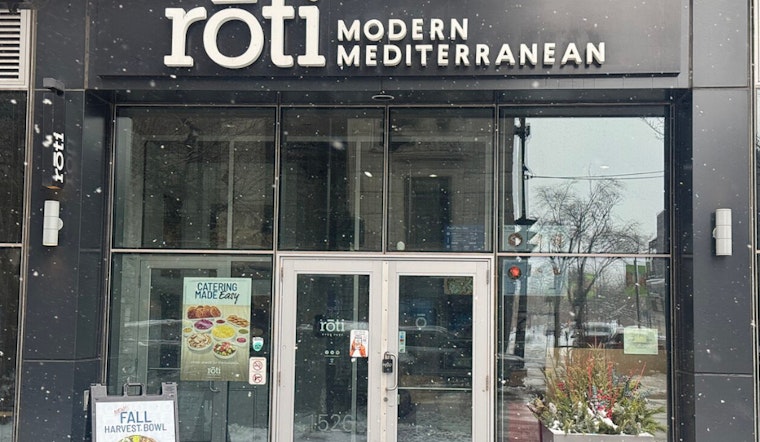
Roti, the Chicago-born fast-casual chain that filed for Chapter 11 protection in August 2024, is quietly rebuilding a year after bankruptcy and trying to slide back into Chicagoans’ regular lunch rotation. Under new ownership, the brand has shifted into growth mode, testing delivery-only kitchens, courting franchisees, and landing venue deals as it looks to scale without the heavy capital that sunk earlier buildouts. Chicago customers will be watching to see whether this comeback sticks or fizzles.
As reported by Crain's Chicago Business, Roti has started opening nontraditional locations and exploring franchising roughly a year after its Chapter 11 filing. The coverage paints the activity as a cautious return rather than a full-throttle expansion, with executives aiming to stabilize what they already have before charging into new markets.
Delivery-First Gambit: Ghost Kitchen Lands In Smyrna
In January, the chain opened its first delivery-only kitchen in Smyrna, Georgia, in a move the company called “a step forward” for reach and efficiency, according to a press release via PR Newswire. The Smyrna operation fulfills orders exclusively through third-party platforms and lets Roti test neighborhoods without committing to dine-in space. “Opening this ghost kitchen is a major step forward in our development strategy,” Matthew Walls, president and chief stores officer of Edible Brands, said in the release.
New Owners Bet On Franchising And Stadium Buzz
Bought out of bankruptcy in February 2025 by BroadPeak Capital, the vehicle tied to Edible Arrangements founder Tariq Farid, Roti was acquired in a series of transactions that preserved roughly 17 locations and the brand’s intellectual property, according to Restaurant Business. The chain first filed for Chapter 11 in August 2024, Nation's Restaurant News reported, and BroadPeak has since signaled plans to grow primarily through franchising and venue partnerships.
Edible Brands has also secured a vendor partnership for a limited Roti menu at Mercedes‑Benz Stadium, part of a broader strategy to raise the brand’s profile while keeping capital needs in check, according to the company’s own materials. For Roti, a presence in a marquee sports venue functions as marketing as much as sales, putting the menu in front of large crowds without the expense of a full traditional restaurant.
What It Means For Chicago
For Chicago neighborhoods that still host Roti shops, all of this likely translates to refreshed menus, updated décor, and fewer pure dine-in openings. Industry outlets note that ghost kitchens and franchising are increasingly standard tools for mid-size chains trying to grow post-bankruptcy while keeping buildout costs down, a trend discussed by Restaurant Dive.
Executives say the near-term focus is shoring up unit economics in core markets before leaning harder into franchise sales and nontraditional locations, according to materials on the Edible Brands site. For now, the revival looks deliberate and methodical, with Roti’s owners testing formats that could let the Chicago-born chain spread its bowls and wraps without repeating the missteps that led to last year’s restructuring.





