

























































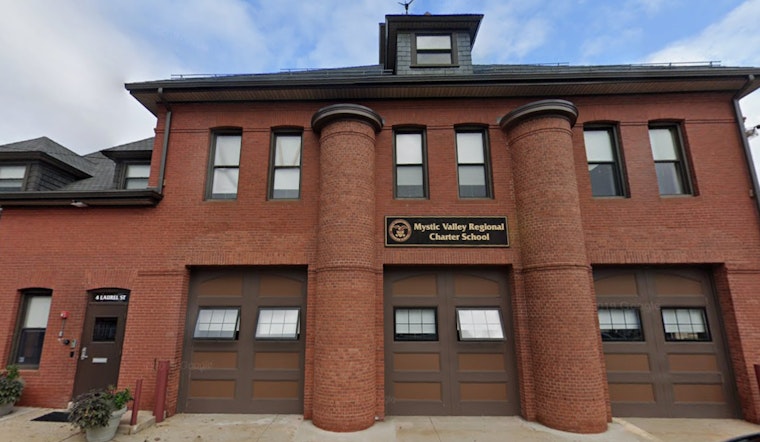
Massachusetts’ top court has made it official: Commonwealth charter schools are now squarely under the state’s public records spotlight. In a unanimous ruling on Wednesday, the Supreme Judicial Court held that these taxpayer-funded schools must comply with the Massachusetts Public Records Law. The decision caps a yearslong fight centered on Mystic Valley Regional Charter School in Malden, which had refused multiple records requests and appealed after losing in Superior Court. By affirming that lower-court ruling, the justices set a clear statewide standard for transparency at charter schools that run on public dollars.
What the court said
Writing for a unanimous court, Justice Serge Georges Jr. concluded that Commonwealth charter schools “are authorit[ies] established by the general court to serve a public purpose” and therefore fall within the reach of the public records statute, according to Mass.gov. The 17-page opinion leaves intact a Suffolk Superior Court judgment that required Mystic Valley to hand over requested documents. By linking charter status directly to how the Legislature created and funds these schools, the court gave regulators and requesters a cleaner legal test to apply in future records fights.
How the case reached the SJC
The dispute began when local requesters sought corporate filings, contracts, ledgers, and communications, and Mystic Valley turned down at least 10 public records requests between January and November 2022, as reported by The Boston Globe. The Supervisor of Public Records ordered the school to comply, then referred the case to the Attorney General, which sued in July 2023 and won in Superior Court. Mystic Valley appealed, and the SJC took the case directly to answer the core legal question of whether charter schools count as “agencies” under the statute.
Reactions from both sides
Attorney General Andrea Joy Campbell framed the outcome as a win for openness, saying the ruling “affirmed our fight for transparency and sent a clear message that taxpayer-funded schools must follow the law,” according to Mass.gov. The Massachusetts Charter Public School Association likewise welcomed the clarity, calling it confirmation that charter public schools are indeed public schools, as covered by CommonWealth Beacon. Mystic Valley’s board chair told reporters the board was “pleased” to have its legal status definitively spelled out, even as the school weighs its next steps.
Records now in play
Legal and watchdog groups say the ruling opens access to a wide range of materials, including legal bills, consulting contracts, and trustees’ conflict-of-interest disclosures, while still preserving the usual exemptions under the law, according to Bloomberg Law. For people filing requests, that means documents charter operators once treated as purely corporate paperwork will now be presumed public unless a specific statutory exemption applies. Agencies tasked with enforcing the Public Records Law also gain a firmer footing when they push schools to turn records over.
Legal implications
The court’s analysis centers on G.L.c. 4, §7, Twenty‑sixth, the provision it uses to classify charter schools as “authorities established by the general court to serve a public purpose,” and follows the analytic framework drawn from earlier cases, as summarized by Massachusetts Lawyers Weekly. The decision also reinforces the role of the Supervisor of Public Records: when the Supervisor orders a school to produce records and the school refuses, the Attorney General’s office can step in to enforce that order in court. Given recent enforcement efforts that stemmed from such referrals, that backstop is expected to matter in real-world disputes.
What to watch next
With the legal question settled at the highest level, the spotlight now shifts to what Mystic Valley and other charter schools actually release, and whether future requests lead to more lawsuits or to negotiated disclosures. Reporters, parents, and watchdog groups that have been chasing these documents will be looking closely at contracts, ledgers, and board communications that could shed light on how publicly funded charter operations are run day to day.





