

























































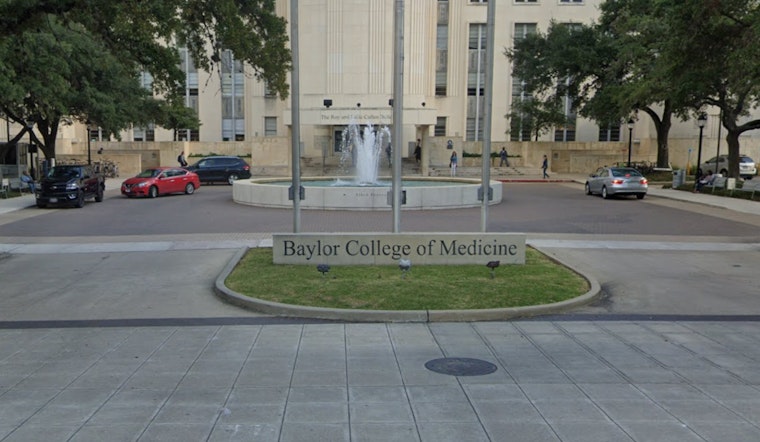
Houston’s H‑1B action is clustered tightly around its hospitals, universities, and a few heavyweight corporations, and one medical powerhouse is clearly out front. New federal data show Baylor College of Medicine topping the list of petitioners that listed Houston as their city, with 898 approvals across the six‑year window ending Dec. 31, 2025. The numbers underscore just how concentrated the city’s foreign‑worker sponsorship is in and around the Texas Medical Center.
According to The Dallas Express, which compiled refreshed U.S. Citizenship and Immigration Services figures for Jan. 1, 2020, through Dec. 31, 2025, Baylor led with 898 approvals, followed by The University of Texas MD Anderson Cancer Center with 869 and Hewlett‑Packard Enterprise with 845. The outlet’s consolidated table also puts engineering firms, public school systems, and consulting outfits in the upper tier of petitioners, including Jacobs Engineering (537), Harmony Public Schools (504), and the University of Houston (498). The Dallas Express notes that these totals include only petitioners who listed their city as Houston, so employers based in nearby suburbs do not appear in the count.
As reported by The Texas Tribune, Gov. Greg Abbott in late January ordered a freeze on new H‑1B petitions by most state agencies and public universities unless the Texas Workforce Commission signs off, with the pause scheduled to run through May 31, 2027. The directive also requires agencies and campuses to submit reports spelling out H‑1B head counts, recent filings, job classifications, and recruitment efforts. Observers say the mix of state‑level pauses and federal fee changes is putting fresh pressure on how public employers plan staffing and research hires.
What the Numbers Say About Pay and Policy
A working paper distributed by the National Bureau of Economic Research finds that H‑1B workers earn roughly 16 percent less than comparable U.S. peers, a figure that critics have seized on in arguing for tougher limits and higher fees on petitioners. The federal government also rolled out a one‑time $100,000 payment on certain new H‑1B petitions in September 2025; DLA Piper and other legal summaries note that the fee is prospective and can be waived in national‑interest cases. Together, those moves are reshaping employer calculations about when and whether to sponsor foreign specialists.
What This Means for Houston's Hospitals and Schools
Hospitals, research centers and school districts in Houston lean heavily on H‑1B hires to fill clinical specialties, lab research roles and hard‑to‑staff teaching jobs. Local reporting has warned that freezes and higher upfront costs could deepen existing staffing problems instead of easing them. As the Houston Chronicle has noted, university and hospital leaders say the new policies could slow recruitment for crucial positions and complicate long‑term research plans. With so many approvals clustered at medical and academic employers, the policy squeeze carries particular weight for Houston's health‑care economy.
Data and Limitations
The Dallas Express' compilation is drawn from USCIS records and, the outlet explains, was consolidated to combine minor name variants and city listings, a process that can undercount firms headquartered just outside Houston. The Dallas Express also said it reached out to Baylor for comment and had not received a response by the time of publication. Readers should treat the city‑listed totals as a snapshot of petition filings tied to Houston‑listed petitioners rather than a full accounting of metropolitan hiring.
For Houston employers and lawmakers, the dataset is a reminder that decisions about visas, fees and state policy ultimately land on local desks and clinic floors, shaping hiring and research plans for years to come. This story will be updated as local employers and state officials respond.




