

























































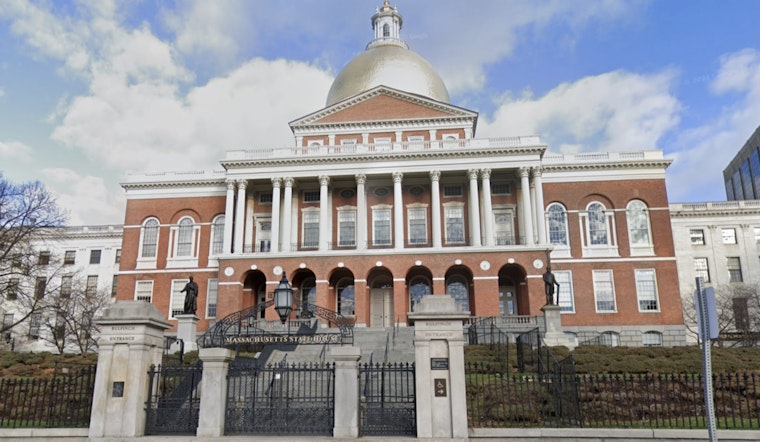
Massachusetts lawmakers on Thursday nudged the PROTECT Act closer to daylight, setting it up for a committee vote and a possible turn on the House floor. The bill, filed by the Legislature's Black and Latino Caucus, aims to curb routine cooperation between local agencies and U.S. Immigration and Customs Enforcement while expanding notice, language access, and other due-process protections for people held in detention. Backers pitch it as a fix for courthouse arrests and murky transfers; critics warn it could put local officers at odds with federal agents.
According to Axios, the Joint Committee on Public Safety and Homeland Security planned a Friday vote to move the measure out of committee, and committee chair Rep. Daniel Cahill said the House could take up the proposal in the next few weeks. Cahill has emphasized that the bill is meant to protect victims, witnesses, and defendants while still prioritizing public safety.
What the PROTECT Act Would Do
The bill would significantly narrow when state and local officers can ask about or record a person's immigration status, limiting those questions to situations where status is "directly material" to a state criminal offense and must be documented in a report, according to the bill text on malegislature.gov. It would bar civil immigration arrests in courthouses unless backed by a judicial warrant or judge-signed order, prohibit most transfers that are timed to help federal civil immigration enforcement, and block most new 287(g) agreements that deputize local personnel for civil immigration enforcement unless they clear a strict approval process.
Courts and Detention Changes
Supporters told lawmakers the bill is aimed at concrete problems, not hypotheticals. Advocates cited hundreds of courthouse arrests last year and described families who lost contact with detained relatives, according to reporting by The New Bedford Light. Under the proposal, detention facilities that hold federal civil immigration detainees would have to provide a secure locator system, written notices of rights in detainees' primary languages, qualified interpretation for medical, legal, and disciplinary interactions, and prompt phone access so people can reach counsel and notify family.
Workplace Inspections and Other Safeguards
The measure would also change how workers are notified about federal workplace checks. Employers would be required to give employees 48 hours' notice if the workplace is facing an I-9 inspection, a shift that Rep. Cahill told reporters departs from the typical 72-hour heads up, according to Axios. Supporters say the goal is to cut down on surprise actions that leave workers exposed and to better protect victims of labor exploitation.
Support, Opposition and Politics
The PROTECT Act, filed in January by members of the Legislative Black and Latino Caucus, has drawn backing from a coalition of immigrant-rights groups and some law-enforcement officials who testified at hearings, according to coverage from the Dorchester Reporter / State House News Service. Republican gubernatorial hopefuls and other GOP leaders have attacked similar proposals advanced by Gov. Maura Healey, arguing that they interfere with federal enforcement and put public safety at risk.
Legal Questions
The bill tries to build legal guardrails into its own text. Its limited exception for 287(g) agreements would require public notice, consultation with the attorney general, and a written legal analysis flagging any material legal risks before such an agreement could move forward, language that appears in the text on malegislature.gov. Even so, lawmakers and advocates concede the boundaries are not entirely in their hands: federal agencies could decide to ignore state-level limits, and courts could be asked to resolve fights over preemption and intergovernmental immunity, a concern reflected in state reporting and public testimony compiled by outlets including WGBH.
If the committee sends the bill forward as anticipated, House leaders could schedule a debate in the coming weeks, setting up a test of how far Massachusetts is willing to go in limiting local cooperation with federal immigration enforcement while trying to maintain close coordination with federal partners in criminal cases.





