

























































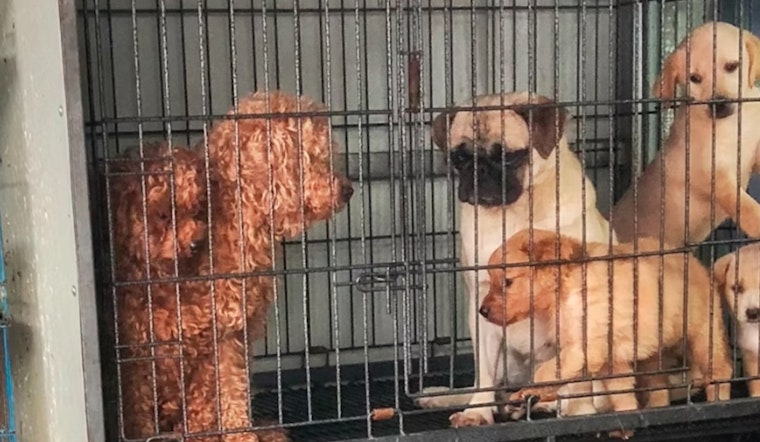
The Massachusetts Senate has voted to all but end the sale of commercially bred pets in local shops, signing off 38-0 on a sweeping animal welfare package that targets so-called puppy mills while trying to make it easier and cheaper for residents to keep their animals.
The bill, dubbed the PETS Act, would bar most pet stores from selling dogs, cats and rabbits, and instead turn them into venues for rescues and shelters to run adoption events. Supporters say the measure is about cutting demand for animals bred in high-volume commercial facilities and giving low-income families a better shot at stable pet ownership. The proposal now heads across the building to the House.
On paper, the plan is filed as An Act Promoting Pet Equity, Treatment and Safety, listed in the Senate as S.3014. At a press conference backing the bill, Sen. Pavel Payano called it a step toward a fairer system for pet owners and safer sourcing for adopters, according to the Eagle‑Tribune.
What the bill would change
Under the language circulating on Beacon Hill, pet shops would be prohibited from selling dogs, cats and rabbits. The text makes clear, though, that stores would still be allowed to provide space for shelters and rescue groups to showcase adoptable animals and hold events.
The Senate version spells out a set of escalating civil penalties for shops that ignore the rules: $1,000 for a first offense, $2,500 for a second and up to $5,000 for a third or subsequent violation. Repeat offenders could also see their pet shop licenses suspended or revoked. Those enforcement details appear in the official Senate docket and bill text posted by the Mass. Legislature.
Money, housing and insurance rules
Supporters say any fines collected under the proposal would flow into the state's Homeless Animal Prevention and Care Fund. That pool of money pays for spay and neuter services, vaccinations and other veterinary care that help shelters and low-income pet owners keep animals healthy and at home.
The bill also folds in housing and insurance changes. It includes language aimed at opening more doors to pet ownership in state-aided public housing, along with an anti-discrimination provision intended to stop homeowners insurance companies from denying coverage based solely on a dog's breed.
Animal-welfare groups and program materials point to the Massachusetts Animal Fund and similar local efforts as likely recipients of any new fine revenue, according to MSPCA‑Angell. Separate reporting on the bill's access and anti-discrimination provisions is available from WCVB.
Support and pushback
Animal advocates quickly cheered the Senate vote, framing it as a way to shrink the market for animals coming out of large-scale commercial breeding operations while nudging would-be buyers toward shelters and rescue groups.
Some in the pet industry and breeder community see it differently. Trade groups and breeder advocates have argued that broad bans can sweep up responsible breeders along with bad actors, and have pressed legislators to focus instead on tougher breeder oversight and clearer consumer protection rules. The American Kennel Club and allied organizations have weighed in on related proposals over the past year in filings and briefings, according to the AKC.
What happens next
With the Senate on record in unanimous support, advocates are now watching the House, where leaders will decide when to take up the measure and how closely to track the Senate language. If representatives agree to the Senate bill, or pass a compatible version of their own, the PETS Act will land on the governor's desk.
Bill sponsors and shelter leaders say they will be paying close attention to any committee markups to make sure the adoption, housing and insurance provisions remain workable for local governments and housing authorities. More detail on the Senate vote and the road ahead has been reported by the Eagle‑Tribune.





