

























































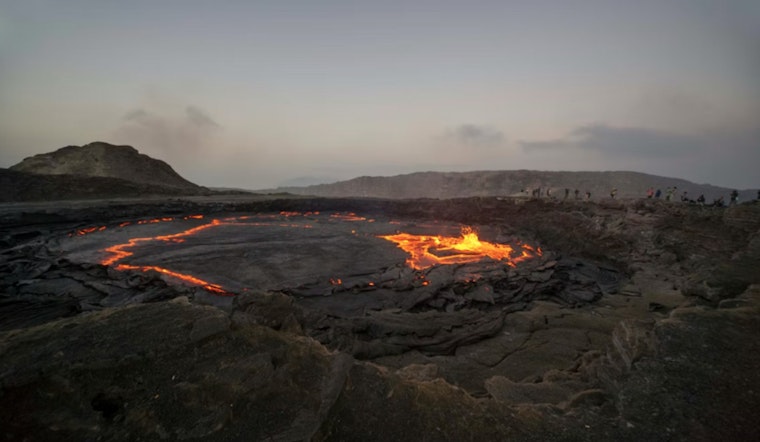
The U.S. Geological Survey has kicked its Volcano Observatory Notices to Aviation into a new, aviation ready format that lets flight planning systems digest alerts about volcanic plumes and ash more quickly. The revamped setup packages technical details in all caps messages and aviation style abbreviations so airline dispatchers and pilots can receive machine readable warnings with less human copy and paste. Hawaiian Volcano Observatory says it will send the first VONA in the new format when Kīlauea's next summit fountaining episode begins, a window forecasters currently place in mid March.
In a March 4 news release, the U.S. Geological Survey said the update aligns U.S. VONAs with International Civil Aviation Organization standards and introduces a machine readable version meant to plug directly into aviation communication systems. ICAO documentation also notes that USGS operates the country's State Volcano Observatories and has been designated to oversee VONA issuance in the United States, a role that requires close coordination with aviation authorities. The change is intended to speed automated distribution to meteorological watch offices, airline dispatch systems and air traffic managers, while USGS continues to publish plain language volcano updates for the public.
HVO scientists laying out the changes in their weekly "Volcano Watch" column describe the new VONA text as all capital letters and packed with aviation abbreviations, for example "VA" to indicate volcanic ash, which makes the messages friendlier to software and a bit more of a chore for casual readers. As reported by Big Island Now, Hawaiian Volcano Observatory said it will issue the first VONA in the new format at the start of the next lava fountaining episode. The column also recaps recent summit activity and small earthquakes that scientists are tracking as inflation resumes.
How Aviators Will See The New Alerts
The practical benefit is straightforward: machine readable VONAs can be ingested directly into flight planning and dispatch software and pushed through the Aeronautical Fixed Service so airlines can see ash advisories the same way they receive other aviation warnings. A recent technical paper on VONA evolution recommends issuing messages in both traditional TAC and IWXXM, the ICAO XML format, encouraging test messages during upgrades and including parameter ranges to support ash transport modeling. That report also documents steps by U.S. observatories to modify software and coordinate with meteorological and air traffic agencies so the new messages flow cleanly into existing aviation networks.
According to the IAVCEI/WOVO report, the machine readable approach improves interoperability with VAAC and airline systems and allows VONAs to be distributed through the same aeronautical channels already used for other MET products.
Kīlauea's Short Term Outlook
Hawaiian Volcano Observatory's most recent daily notice keeps Kīlauea at Volcano Alert Level WATCH and Aviation Color Code ORANGE, noting that Episode 42 ended on Feb. 15 after just under 10 hours of fountaining and that summit inflation suggests another episode is possible. Models referenced by the observatory place a likely forecast window for Episode 43 between March 10 and March 15, although HVO cautions that the window could shift if inflation pauses. If future fountains produce ash rich plumes high enough to affect flight paths, HVO says the aviation color code could be raised to RED and the ground based alert level to WARNING.
For the latest status and short term forecasts, including updates and short messages for eruption episodes and webcam feeds, see Hawaiian Volcano Observatory.
What Residents And Pilots Should Do
Residents should know that VONAs are designed for aviation operators, and that USGS will continue to issue plain language Volcano Activity Notices, daily updates and public guidance focused on local safety. People who want near real time alerts can sign up for the Volcano Notification Service or follow HVO's web updates and webcams, while pilots and dispatchers are urged to confirm their systems accept the new VONA formats so automated advisories are not delayed. Park visitors are reminded that the summit area remains closed and that tephra, Pele's hair and vog remain the primary local hazards even between fountaining episodes.





