

























































For Eric Yeaman, the path from Hōnaunau kid to one of Hawaiʻi’s most powerful boardrooms just got a new chapter. The longtime Hawaiʻi finance executive with Big Island roots has been tapped as the newest member of the Kamehameha Schools Board of Trustees, stepping into a role that will shape billions of dollars in assets and some of the most closely watched decisions in the islands.
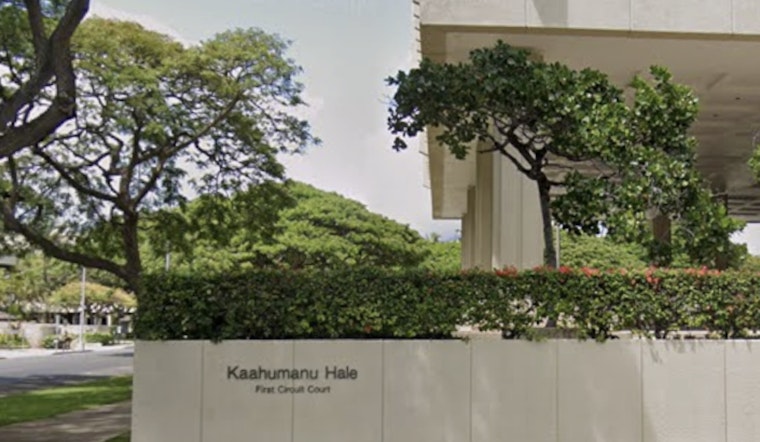
The First Circuit Probate Court issued a minute order on Thursday selecting Yeaman to serve a five year term, with the option to seek another five years. He fills the seat left open when Robert Nobriga’s second term wrapped up in 2025, returning a former Kamehameha finance executive to the helm at a time when trustees are wrestling with high stakes calls on land management, investments and the school’s admissions policy.
According to a minute order filed with the court and posted by Kamehameha Schools, Yeaman is formally appointed "to serve as Successor Trustee" and the selection takes effect once the final order is entered. The order also gives him eligibility to petition for a consecutive five year term. The appointment came after a screening process run by a court appointed Trustee Screening Committee and fills the seat that became vacant when Nobriga’s second term ended June 30, 2025, according to Big Island Now.
What Yeaman Brings to the Board
Yeaman is the founder and managing partner of Honolulu based Hōkū Capital and has served as chairman of Alexander & Baldwin since 2020, according to Alexander & Baldwin. Before that, he led Hawaiian Telcom and served as president and COO of First Hawaiian Bank, roles detailed in executive biographies and corporate filings, including an Alaska Air Group leadership page. His decades in the C suite and in boardrooms put him in a familiar spot, where he will have to juggle cultural stewardship with the hard math of managing a sprawling commercial portfolio.
Raised in Hōnaunau on Hawaiʻi Island, Yeaman has talked about his ties to the school going back to childhood, saying his first plane ride at age 10 was to attend the Hoʻomākaʻikaʻi summer program. He told Hawaiʻi Public Radio he wants “to go full circle and give back” to the institution that helped shape him. In the same interview, he strongly defended Kamehameha’s admissions preference, calling it “the holy grail” and adding, “Protecting the preference policy is a fundamental responsibility of the trustees and we have to defend it at all costs.”
Trust at a Crossroads
Yeaman steps in as Kamehameha Schools faces a federal legal challenge to its admissions preference and ongoing criticism over land sales and wildfire related settlements. Civil Beat and other outlets have tracked the lawsuit and the broader debate over what the trust’s mission should look like in 2026 and beyond.
Trustees oversee roughly $15.2 billion in investments and more than 300,000 acres of land, resources that fund Kamehameha’s schools and programs serving Native Hawaiian students, according to Big Island Now. How those dollars and lands are managed has become a flashpoint for alumni, beneficiaries and community advocates who see the trust as both a cultural lifeline and a major economic player.
Yeaman was one of 83 applicants reviewed by the seven member Trustee Screening Committee, which ultimately narrowed the field to three finalists and submitted a final report in January 2026. The committee’s exhibits, including Yeaman’s application and hundreds of written public comments both supporting and opposing various candidates, were included in the court record the judge reviewed. Kamehameha Schools posts the committee’s filings and related court documents on its trustee selection page for public access.
What to Watch
The court’s minute order makes Yeaman’s appointment effective once the final order is entered, and his early votes are expected to center on legal strategy in the admissions case, stewardship of trust lands and investment priorities. Beneficiaries, alumni and community organizations that weighed in during the selection process with both praise and pushback are likely to keep a close eye on how the new trustee walks the line between cultural responsibility and commercial obligations, as Civil Beat has reported.





