

























































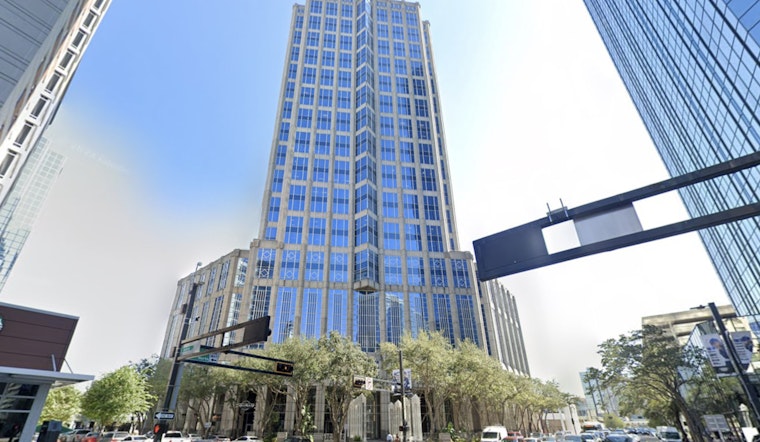
Baker McKenzie is pulling up stakes in downtown Tampa, closing its office and shifting local staff to remote work as part of a global restructuring the firm says is meant to streamline operations. The move wipes out a high-profile hub that opened in 2019 as the Tampa Center, a back-office and legal-services outpost that joined a growing list of big employers trimming traditional office space in city cores.
The Tampa Bay Business Journal first reported the closure, noting that Baker McKenzie will shut its downtown footprint and transition affected employees to working from home. The firm has not disclosed how many Tampa roles are impacted, but the outlet reported that the change is part of a broader global restructuring.
Baker McKenzie’s locations page lists the Tampa Center at 401 E. Jackson Street, Suite 1000, and notes that the hub opened in 2019 to provide follow-the-sun support to its worldwide network. Marketed as a center for both legal work and business-support functions, the office was pitched as a key anchor for the firm’s presence in downtown Tampa. According to Baker McKenzie, the Tampa Center was part of the firm’s North American operations.
Hints that the Tampa operation was under review surfaced earlier this year. In February, Law360 Pulse reported that Baker McKenzie was already cutting business-professional jobs in Tampa, tying the reductions to efficiency efforts and the adoption of AI and automation. That reporting framed the shift as a firmwide strategy rather than a sign the Tampa market itself was uniquely troubled.
What It Means For Downtown Tampa
Tampa’s office market has been walking a tightrope, with some leasing wins even as vacancy lingers above pre-pandemic levels. That combination could soften the immediate shock of one major tenant’s exit, but landlords are still likely to feel the hit from any sizable block of space coming back on the market. Market reports from Avison Young show positive absorption in 2025 while overall availability stayed elevated, a sign of an uneven recovery that depends heavily on building quality and location.
When Baker McKenzie announced the Tampa Center in 2018, local and state economic-development officials celebrated it as a marquee win expected to create hundreds of jobs and deepen Tampa’s professional-services base. Coverage at the time said the hub was projected to grow to roughly 300 positions as part of a cost-cutting strategy that also expanded the firm’s back-office capacity. As detailed by Florida Trend, the project was framed as a long-term investment in the city’s business ecosystem.
So far, Baker McKenzie and local officials have not publicly outlined any transition support for affected workers or spelled out what happens next with the downtown lease. The Tampa Bay Business Journal reports that the firm has not provided a headcount, leaving both building owners and professional staff to read between the lines while the details get sorted out.
For downtown landlords and economic-development leaders, the exit is another reminder that big firms are increasingly weighing hybrid and remote-first setups against the cost of traditional trophy space. Industry watchers say the trend toward smaller footprints is not slowing down, even as select buildings see strong demand. This story will be updated if there are announcements on lease changes, incentives or city responses tied to Baker McKenzie’s departure.



