

























































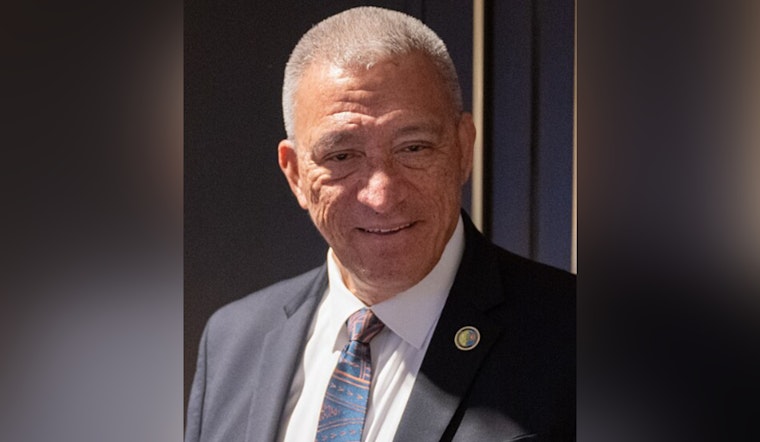
Maui County Mayor Richard Bissen on Wednesday unveiled a $1.62 billion proposed budget for the fiscal year that begins July 1, putting affordable housing, public control of drinking water systems and long-haul wildfire recovery at the front of the line. The spending plan leans on a mix of grant money, revolving funds, a hefty capital program and a reshuffle of fees and property taxes, and now heads to the County Council for public hearings and community meetings across Maui Nui.
Big numbers, big bets
The proposed FY2027 budget clocks in at $1.62 billion, about a 4% bump from this year’s $1.56 billion. It banks on $402.2 million in grant funds and $174 million in revolving funds to help underwrite projects. The mayor’s capital improvement program would total about $698.2 million from all funding sources, with roughly $73.7 million earmarked for debt service.
The package also reserves $79.5 million for the county’s Affordable Housing Fund and creates a streamlined small-grants program that can award up to $25,000 to community projects. The budget does not include immediate line items for recent storm damage, and county officials say they plan to tap roughly $100 million in emergency reserves for near-term repairs, according to Honolulu Civil Beat.
Maui to buy private water systems
Bissen’s proposal sets aside $44.5 million to acquire additional water systems and wells as part of a broader push to expand public stewardship of drinking water. “As we move forward, this budget reflects both the needs in front of us and the future we are building,” the mayor said at a Wailuku press event, a comment reported by local outlets.
County materials and the mayor’s State of the County address say the administration is in negotiations with Kamehameha Schools, Maui Land & Pineapple and West Maui Land to buy key water assets. Once those deals close, public control of drinking water systems in West Maui would rise from about 45% to roughly 93%, according to the County of Maui.
Housing and wildfire recovery remain central
Housing remains the headline priority. The mayor’s plan directs funding to speed up affordable and workforce housing projects and to support temporary housing for wildfire survivors while permanent units are built.
The county has secured an estimated $1.6 billion in Community Development Block Grant Disaster Recovery funds for housing and recovery work, and the mayor’s budget builds on that federal aid with county investments aimed at restoring neighborhoods and infrastructure, as outlined by the County of Maui. Local outlets report that the administration is counting on dozens of housing projects already in the pipeline to deliver hundreds of units in the coming years and to speed Lahaina’s rebuild, per The Maui News.
Fees, taxes and the tradeoffs for residents
The proposal also calls for a series of rate and tax changes meant to raise revenue and tweak incentives. The mayor’s presentation outlines adjustments to wastewater and water fees, along with revisions to real property tax classifications that would raise some rates, including on many short-term rentals and non-owner-occupied units, while lowering rates on a small slice of ultra-high-value homes.
County staff and the mayor have framed these moves as part of the broader tradeoffs required to balance recovery spending, day-to-day operations and longer-term resilience, according to the mayor’s budget message and program budget documents.
Council review and public input
The Maui County Council will spend the coming weeks dissecting the proposal, with daytime hearings in Council chambers and evening meetings across the island to gather community feedback. Council members have already tapped emergency funds for urgent repairs and are expected to weigh both one-time reserve draws and more permanent revenue changes as they rewrite the plan.
Residents can track the Council’s schedule and materials on the county website, and public testimony and committee debates will shape what ultimately becomes the adopted FY2027 budget.





.jpg)