

























































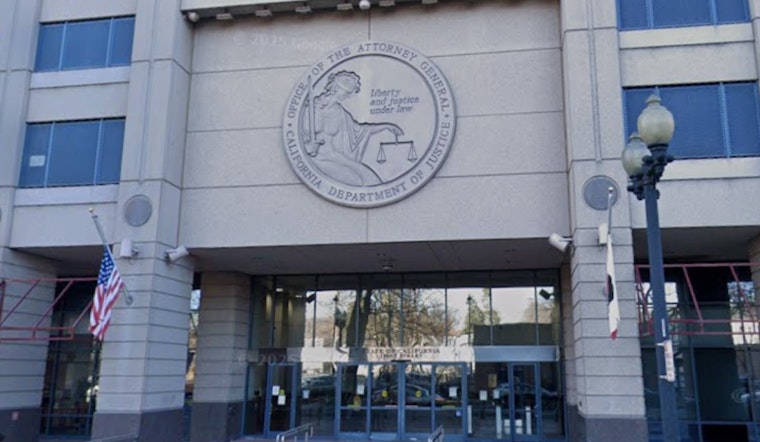
California Attorney General Rob Bonta has stepped into a national forest fight, leading a multistate challenge to a U.S. Forest Service proposal that critics say would sharply limit how the public weighs in on projects across national forests. At the center of the dispute is the agency’s project-level predecisional review, the formal window when residents, Tribes and local governments can object before a final decision is signed. Opponents warn the rule change could fast-track timber sales, road projects and hazardous fuels work with far less scrutiny from the communities that live with the consequences.
In a California Attorney General's Office announcement yesterday, Bonta said he led nine state attorneys general in submitting formal comments against the proposed rule, and his office posted the coalition's comment letter online. Public participation is paramount in government decision-making, Bonta wrote, arguing the proposal would undermine active community involvement and make it easier to exploit our public lands. The letter casts the proposal as a set of procedural tweaks that would, in practice, strip away real opportunities for Tribes, local governments and residents to raise red flags before decisions are locked in.
What the Forest Service Is Proposing
The Forest Service rolled out the proposed rule in early February, saying the goal is to consolidate and streamline its objection process and bring agency procedures in line with recent changes to the National Environmental Policy Act, or NEPA. In the Federal Register notice, the agency details a series of revisions that add up to a much tighter timeline for the public.
Some comment and objection windows would shrink from 30 days to 10, while others would drop from 45 days to 20. The proposal would also eliminate the neutral reviewing official who currently evaluates objections, cap the length of objections through page limits and move official notices and responses from local newspapers to an agency website. Supporters frame this as a way to get on-the-ground work done faster. Critics counter that when you compress timeframes, limit formats and move notices online, you tilt the process away from meaningful participation and toward a rubber stamp.
Why This Matters In California
Forest Service data show the Pacific Southwest Region manages more than 20 million acres of National Forest land in California and draws millions of visits each year, while providing a significant share of the state’s headwater runoff and recreation economy. Those forests underwrite local jobs, water supplies and wildfire mitigation projects across the state.
That scale is exactly why changes to how and when people can object matter. Shorter objection windows or stricter limits on comment formats could squeeze tribal consultation and community review on timber sales, interior road construction and hazardous fuels treatments that shape everyday life in forested counties. The scope of those resources, and the number of Californians who rely on them, is laid out on the Forest Service’s Region 5 page.
Legal Fight And What’s Next
Environmental groups have already taken broader USDA NEPA rollbacks to court, and the attorneys general say the Forest Service proposal raises similar legal concerns about curbing public participation. The agency set a March 9 comment deadline and has said it will finalize 36 CFR 218 only after the department’s broader NEPA rule at 7 CFR 1b is settled, so the process is expected to stretch out over months while agencies, states and advocates sort through possible next moves.
If the Forest Service ultimately finalizes the rule as proposed, Bonta and his fellow attorneys general signal that more state and nongovernmental challenges are likely. Those cases would test whether the new system complies with legal requirements for notice, comment and genuine agency decisionmaking, or whether it crosses the line into cutting the public out.
For readers who want to dig into the paperwork, the attorney general's announcement and the coalition comment letter are available on the California Attorney General's website, and the Forest Service's proposed rule is posted in the Federal Register. Context on lawsuits over earlier NEPA changes is available in recent tracking of suits filed this year.





