

























































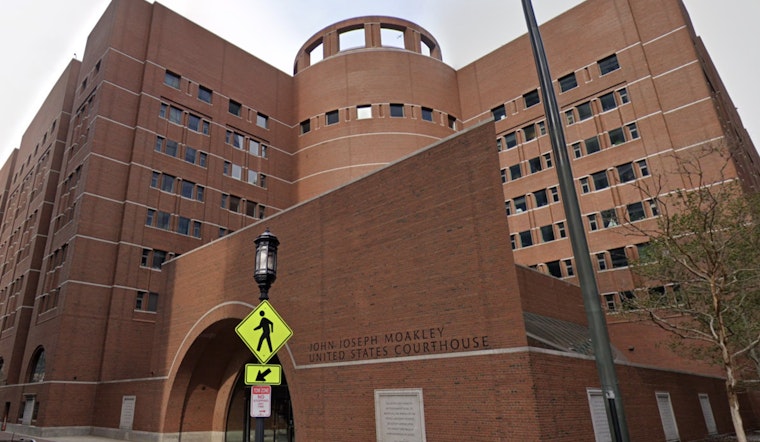
The Boston-based 1st U.S. Circuit Court of Appeals has mostly kept a lid on the Trump administration’s attempt to slam the brakes on trillions of dollars in federal grants, loans and other aid. A three-judge panel ruled that the White House budget office tried to impose a sweeping, government-wide pause on payments without seriously accounting for how states, cities and nonprofits depend on that money to function. For now, the court is leaving a lower-court order in place while the administration keeps fighting the case on appeal.
In a 48-page opinion filed March 26, 2025, Chief Judge David Barron wrote that the Office of Management and Budget “directed the agency defendants to freeze such funds without considering an obvious aspect of the problem — namely, the reliance interests of the recipients,” and concluded that agencies had not done the program-by-program legal review the memo itself required. The panel said the existing record already showed real-world damage from pauses and sudden cutoffs of obligated funds. The full reasoning is laid out in the 1st Circuit opinion (PDF).
The clash centers on OMB memorandum M-25-13, issued January 27, 2025, which told federal agencies to “temporarily pause” disbursements while programs were checked for consistency with the president’s executive orders. The memo itself notes that more than $3 trillion counts as federal financial assistance and directs agencies to send detailed program analyses back to OMB. That sudden guidance rattled state officials, universities and service providers nationwide, according to Thomson Reuters.
U.S. District Judge John J. McConnell Jr., sitting in Rhode Island, responded in March 2025 with a preliminary injunction after 22 state attorneys general and the District of Columbia sued to block the freeze. The 1st Circuit largely left that order standing but tightened its scope. The panel reversed the injunction to the extent it forced agencies to make certain payments directly to the plaintiff states, citing limits on using this kind of lawsuit to recover specific money allegedly owed under grants or contracts. The judges said the finer points of that jurisdictional problem are spelled out in the 1st Circuit opinion linked above.
State officials told the courts that the on-again, off-again funding was wreaking havoc on childcare and health services, infrastructure projects and university research, and that scrambling to plug those holes caused immediate budget and staffing headaches. As The Boston Globe reported, the panel highlighted harms such as “the obligation of new debt; the inability to pay existing debt; impediments to planning, hiring, and operations; and disruptions to research projects by state universities.”
Legal implications
The panel also leaned on Supreme Court precedent that limits where lawsuits to recover contract- or grant-related money can be filed, a key reason it trimmed back the lower court’s remedy even as it kept the core of the injunction intact. The administration still has options. It could ask for further relief, including a fast-track appeal to the U.S. Supreme Court, according to reporting from Thomson Reuters.
For now, though, the 1st Circuit’s decision blocks a blanket, across-the-board halt on aid, leaving the high-stakes constitutional fight for another day over how far a president can go in holding back money that Congress has already approved. The attorneys general who brought the case say they plan to keep pressing it in court, while state and local agencies scramble to normalize payment schedules and calm nervous grantees, The Boston Globe reports.





