

























































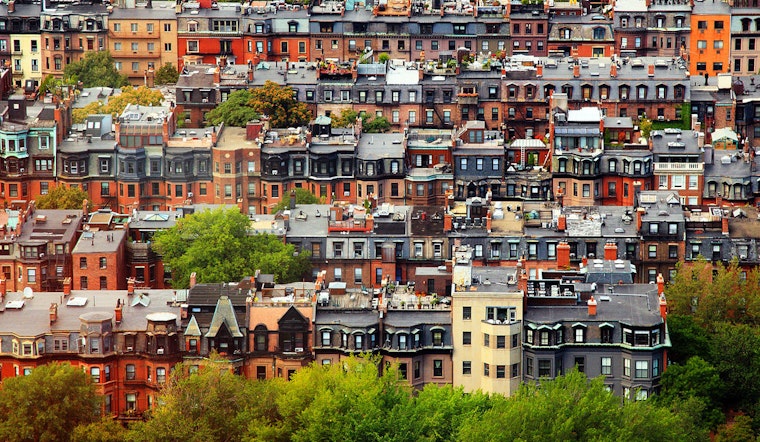
Boston’s oldest houses - from stately brownstones to triple deckers and skinny rowhouses - are starting to show some unsettling quirks: sagging floors, crumbling brick and porches that lean like they have had a long day. Residents and local contractors say it is not just the age of the buildings. Many of the city’s historic neighborhoods were built on soft, 19th century fill that can compact and shift, leaving owners with rising repair bills and a nagging worry that their well loved homes could literally settle into the ground.
As reported by Boston 25, homeowners in several neighborhoods have described cracked foundations, leaning chimneys and brick facades that are losing mortar. Engineers say those issues line up with settlement on fill and rising groundwater. Those accounts have pushed engineers and local officials to call for more inspections and for owners to document damage before it gets worse.
Why older houses are vulnerable
Much of downtown Boston and nearby neighborhoods sit on reclaimed tidelands and other artificial fill, which leaves softer subsoils that can compress or erode when groundwater and tides change, according to the City of Boston’s climate and hazard planning. Materials on Boston.gov note that filled tidelands remain one of the city’s long running vulnerabilities. Researchers at MIT also point out that Boston has experienced roughly a foot of relative sea level rise over the past century, a trend that increases how often groundwater creeps upward and speeds up settlement on these older pads.
Recent collapses underline the risk
Structural failures have already put the issue in the spotlight. A 2024 Roxbury porch collapse injured seven people, and a June 2025 Dorchester deck failure sent nine people to the hospital, incidents local reporting tied to aging exterior structures and, in some cases, lapsed inspections. Coverage from Boston.com and follow up stories show some properties had not had certified exterior structure inspections in decades, highlighting how maintenance gaps can turn slow settlement into real safety hazards.
What officials and engineers recommend
City officials say the problem sits where routine building maintenance meets long term climate adaptation work. The Office of Climate Resilience’s Climate Ready Boston initiative lays out district scale projects and guidance for protecting shorelines and adapting buildings. Boston.gov describes programs to fund resilience projects and provide technical assistance, while local engineers advise homeowners to order structural assessments, check foundation and roofing drainage and document any cracking before winter freeze thaw cycles make it worse.
How residents can prepare
Homeowners in older neighborhoods are being urged to get a licensed structural inspection, confirm any required exterior structure certifications with the city and keep clear records of damage and repairs that could affect insurance or future mitigation aid. Officials note that city resilience grants and workforce programs are expanding, and homeowners with serious foundation or moisture issues should ask the city about available resources and permitting steps before starting repairs.





