

























































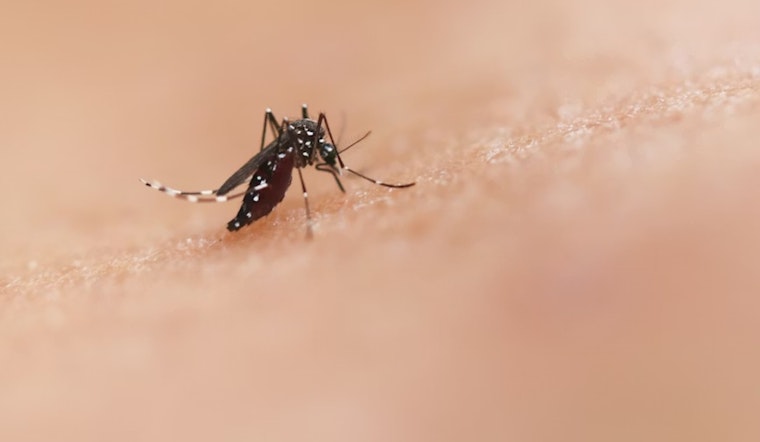
A tiny, nonnative mosquito that can turn a forgotten bottle cap into a breeding pool is showing up in Bay Area neighborhoods, and public health officials are not taking it lightly. The species, Aedes aegypti, sometimes called the yellow fever mosquito, bites during the day and can carry dengue, Zika, chikungunya and yellow fever. Vector control agencies say its habit of laying single eggs in many small containers makes it easy to spread yard to yard and brutally hard to wipe out once it settles in.
Where It's Been Detected
State tracking shows the mosquito has been documented across a wide swath of California, including Santa Clara, Alameda, Contra Costa and Solano counties. According to the California Department of Public Health, the list of affected counties has grown as vector surveillance has expanded. That statewide map is one reason Bay Area vector agencies are urging people to clear out their yards before mosquito season kicks into high gear.
A Close Call For Napa
Last year, the mosquito was trapped on Mare Island in Vallejo, a detection that county leaders say sharply raised the stakes for nearby Napa. Wes Maffei, manager of the Napa County Mosquito Abatement District, told the St. Helena City Council that the find made officials feel "it's knocking on the door," according to the San Francisco Chronicle. The detection has leaders across the North Bay reminding residents that even a small plant saucer or decorative item collecting water can be enough to seed a neighborhood outbreak.
San Jose's Problem Isn't New
Santa Clara County has been tracking and treating infestations for months. The county's vector control district first flagged invasive Aedes in South San Jose in April 2025 and reported hundreds of trapped mosquitoes at multiple sites last year. In a county news release, officials said the detections show the species has gained a foothold in local neighborhoods and urged residents to report day-biting mosquitoes and allow inspections of yards, according to Santa Clara County. Health leaders note that none of the viruses have been transmitted locally in Santa Clara County, but imported cases among travelers raise the risk if the mosquito continues to spread.
Alameda County Steps Up Treatments
Alameda County officials have detected Aedes aegypti in Pleasanton, Livermore, Dublin and other pockets and have responded with property inspections, larval treatments and targeted trapping. The Alameda County Mosquito Abatement District says it has gone door to door and scheduled larval treatments in neighborhoods where the mosquito was found, per its public notices at Alameda County Mosquito Abatement District. The goal is to snuff out small, localized populations before they can gain a permanent foothold in the county.
What Makes This Mosquito Different
Aedes aegypti prefers people over animals, bites in daylight hours and typically stays within a few hundred feet of where it hatched. According to the CDC, the species can transmit dengue, Zika, chikungunya and yellow fever, and its eggs can survive dry spells and hatch when water returns. Local vector districts also point out that the insect lays eggs one at a time in scattered containers, which turns control into a block-by-block effort rather than something that can be solved in a single yard.
How To Protect Your Yard
Basic cleanup can make a big difference. Remove or tighten tarps, empty plant saucers, flip buckets, pick up toys and scrub pots and birdbaths regularly to knock off eggs. Officials also urge people to check bromeliads and other plants that hold small amounts of water and to use mosquito-specific larvicides in permanent water features when appropriate. If you notice day-biting mosquitoes or keep getting multiple bites, report it so vector crews can trap and inspect the area, as advised by the San Francisco Chronicle.
What Vector Control Is Doing
Districts across the Bay Area are running intensive surveillance with specialized traps, treating breeding sites with larvicides and carrying out spot adult treatments when needed. The Alameda County Mosquito Abatement District and its counterparts combine door-to-door inspections with targeted larval applications and community outreach to keep small infestations from spreading, according to their public notices. Rapid detection and elimination of breeding sites remains the most effective way to keep a small pocket from turning into a full neighborhood problem.
When To Call
If you suspect invasive Aedes in your neighborhood, such as day-biting mosquitoes that leave multiple bites across exposed skin, report it to your county vector control office and follow local guidance. The state maintains a county-by-city tracking page and links to local programs at the California Department of Public Health. Taking a few minutes now to dump standing water and scrub containers can stop an infestation before it starts.




