

























































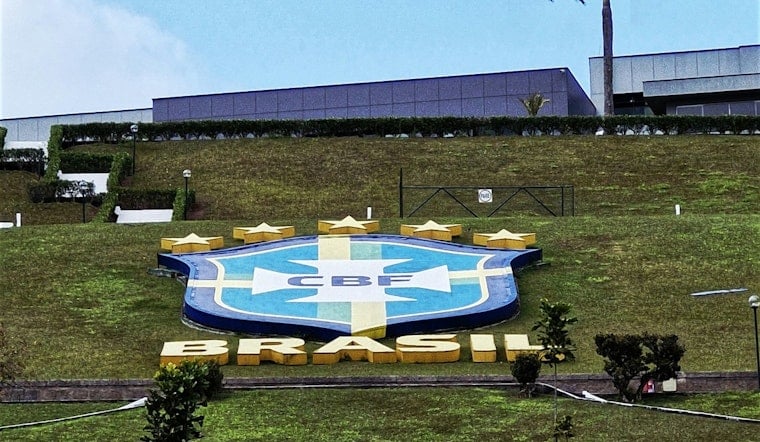
Brazil's football federation has quietly set up a permanent beachhead in South Florida. The Confederação Brasileira de Futebol has opened an international office in Miami and tapped Bruno Costa to connect Brazilian soccer to U.S. markets. People briefed on the federation’s strategy say the outpost is already working on commercial deals and talent scouting. The move lines up neatly with Brazil's packed event calendar, from the 2026 World Cup in North America to the 2027 Women's World Cup that Brazil is set to host.
According to CBF, the Miami office started operating in September 2025 and has already held meetings with FIFA, the Brazilian consulate in Orlando and business groups such as ApexBrasil. In its year-end review, the federation presents the Miami hub as part of a broader globalization plan and as a base for marketing, commercial initiatives and technical coordination. CBF's report notes that the office has supported national teams and international events since it launched last fall.
Why Miami?
In an interview with OneFootball, Bruno Costa described Miami as a "strategic bridge" between North America and Latin America and said the new office will support women's football, youth development, beach soccer, futsal, compliance and commercial partnerships. He told OneFootball that staff have already scouted several dual-national women's youth players eligible to represent Brazil, and he pointed to a long-term kit deal with Nike that he said runs through 2038. That international push lines up with Brazil's role as host of the 2027 FIFA Women's World Cup, according to FIFA, as well as the federation's reported interest in staging the 2029 Club World Cup in Brazil, reported by ESPN.
Costa’s resume
Costa arrives with both institutional clout and a strong U.S. track record. The San Jose Earthquakes hired him as head of scouting in 2017 after long spells with the Brazilian federation and clubs such as Fluminense, according to the San Jose Earthquakes announcement. His background includes managing youth national teams and running academy setups, experience that should help the Miami office move quickly on talent identification and cross-border programs. Those ties are exactly what CBF officials say they want as they court U.S. markets and diasporic Brazilian fan bases.
What it means for Miami
Costa told OneFootball that the Miami office has already closed commercial deals with Uber, Volkswagen and iFood as part of its early partnership work, and event organizers in South Florida have started to pay attention. Community groups and business chambers have begun penciling in CBF appearances, an early sign that the federation is betting on Miami's business networks as much as its player pool, according to coverage by Brazilian Times. For local promoters, that could translate into more Brazilian clubs, exhibition matches and marketing activations landing in South Florida ahead of 2026 and 2027.
For Miami, the CBF presence looks like a slow-burn play. The real test will be whether this modest office can turn introductions into major events, media deals and, maybe most visibly, decisions by dual-national players to choose Brazil over other national teams. Over the next year, expect the key indicators to be youth callups, new partnership announcements and friendly match dates as the federation works to turn a diplomatic outpost into a fully-fledged business and scouting engine.





