

























































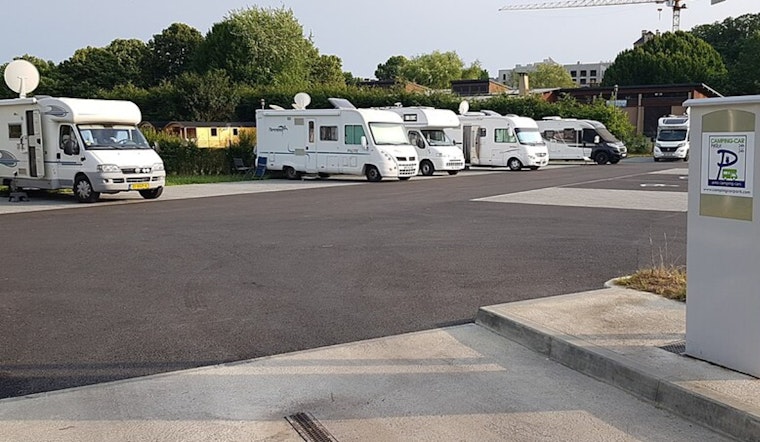
Broomfield’s City Council has voted to crack down on long-term RV street parking, signing off on an ordinance that blocks major recreational vehicles from staying on public streets longer than 72 hours in any 14 days. The measure passed 7 to 2, and officials say enforcement will begin roughly a week after the ordinance’s final publication.
What the ordinance does
The new ordinance lays out what counts as a “major recreational vehicle” and caps on-street parking at 72 hours in any 14-day window, while still allowing short-term stops for loading, trip prep and minor maintenance. As outlined by the City and County of Broomfield’s ordinance, the code also bans RVs that are leaking or hooked up to utilities on the street, creates a seven-day visitor permit and sets up notice, administrative penalty and towing procedures. The law takes effect seven days after publication following final passage. The document also details setback and sight-line rules that city officials say are aimed at keeping neighborhoods safe.
Neighbors and advocates react
Neighbors and business owners who spoke at the hearing described oversized rigs parked for months, blocking driveways and sight lines. As reported by CBS Colorado, Donna Barga, who owns an auto-detailing shop, said a bus and RV parked near her business “made it really inconvenient and dangerous,” while Kathy Escobar of the Refuge in Broomfield estimated that more than 20 adults and children currently live in RVs in the city. A majority of public commenters supported tighter rules but pushed back on expanding hardship permits, and local reporting shows complaints about RVs climbed from 99 in 2024 to 121 in 2025, a trend city leaders pointed to in backing the ordinance, according to Denver7.
Enforcement and legal steps
The ordinance requires code officers to post written notices before any towing and, when a vehicle shows signs that someone is living in it, to provide a list of community resources from Broomfield Human Services. As outlined by the City and County of Broomfield’s ordinance, owners have seven days after receiving a notice to move a vehicle that violates the code before the city can tow it. Towing costs plus a 75 dollar administrative fee can be charged, and the city may ultimately dispose of vehicles that are not claimed. The code also blocks owners from shuffling an RV short distances to skirt the time limit and allows the city to revoke temporary permits when conditions are violated.
What happens next
Mayor Guyleen Castriotta told council she plans to propose next week that staff start working on safe-parking options and other outreach for residents who rely on vehicles for shelter, as reported by CBS Colorado. Councilmember Sean McKenzie had pushed a temporary “Green Pass” idea that would have allowed up to 28-day permits for people dealing with hardship or mechanical breakdowns, but that amendment failed during the debate. City staff says the ordinance has been in the works for more than a year and will return with implementation details and outreach plans before full enforcement kicks in, as detailed by BroomfieldVoice.





