

























































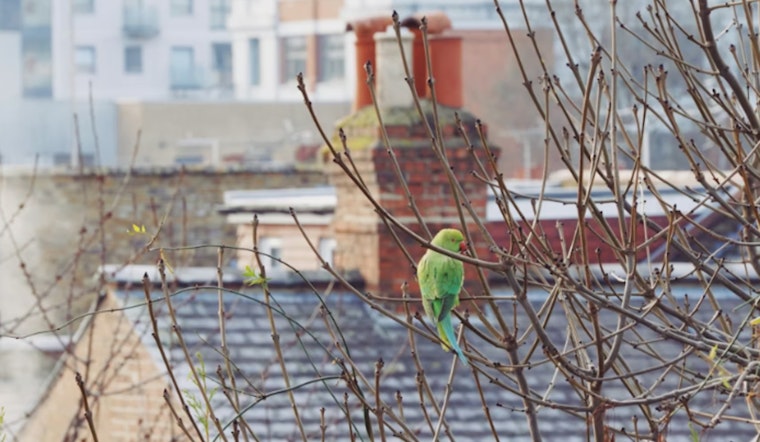
A routine checkpoint at the Brownsville Port of Entry turned into a full-blown wildlife case when officers uncovered three live parrots hidden inside an SUV, authorities said. The vehicle was flagged and sent to secondary inspection at the Gateway International Bridge, where agents zeroed in on a small box tucked in the vehicle and found the birds. Homeland Security Investigations has opened a criminal probe, and federal animal-health and wildlife partners have taken custody of the parrots while the case moves forward.
According to WOAI, the incident unfolded March 13 after officers referred a 2007 GMC Yukon for secondary inspection at the Gateway International Bridge. During that closer look, agents discovered three live parrots concealed inside a box. Port Director Tater Ortiz told WOAI, "Parrots are protected species and our frontline officers work diligently to prevent suspected attempts to smuggle them as part of the illegal animal trade." The outlet reports that Customs and Border Protection coordinated with the U.S. Department of Agriculture and U.S. Fish and Wildlife Service to transfer the birds to a local zoo while the inquiry continues.
Not Just a One-Off at Texas Crossings
Cases like this fit a pattern that keeps popping up at Texas land borders. In July 2025, Customs and Border Protection reported intercepting 20 undeclared parrots at the Hidalgo International Bridge, and in January 2026 officers in Laredo found three red-lored parrots hidden inside a vehicle during a secondary inspection, an incident that led to arrests, according to CBP and KGNS. Border agents routinely bump suspicious vehicles to secondary, where agriculture specialists and canine teams get the time and space to uncover hidden wildlife and other contraband.
Why Officials Are Not Taking This Lightly
Many parrot species and other psittacines fall under international controls through the Convention on International Trade in Endangered Species (CITES), and U.S. rules strictly limit unpermitted imports, according to the U.S. Fish and Wildlife Service. On top of conservation law, ports of entry teams, working with USDA and public-health partners, quarantine and inspect imported birds because they can carry avian influenza and other pathogens that threaten U.S. agriculture and native wildlife, a point highlighted in federal guidance on quarantine stations and port procedures. That mix of legal exposure and biosecurity risk is why CBP, USDA and USFWS tend to move in lockstep when animals are seized.
What Happens Next in the Parrot Case
Homeland Security Investigations is leading the criminal inquiry, and authorities have not released any information on suspects or charges, WOAI reported. For now, the parrots remain under federal and local wildlife custody while investigators and animal-health officials complete health checks, quarantine measures and care arrangements. If the probe turns up evidence of illegal importation or trafficking, the case could end with federal prosecutions under wildlife and trade statutes.




