

























































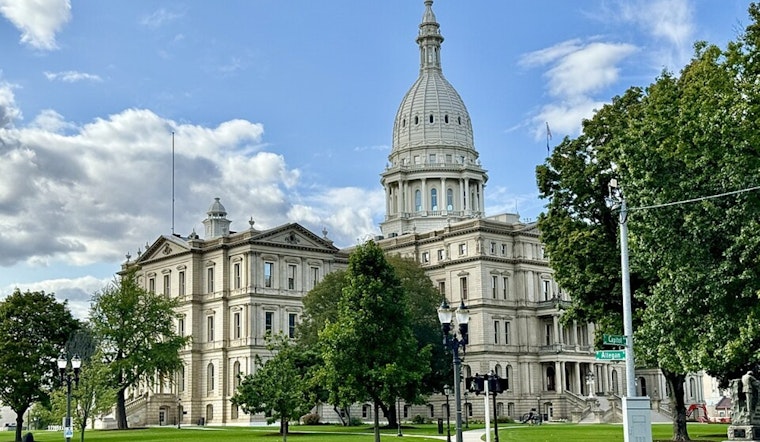
Lawmakers in Lansing struck a last-minute deal Thursday that preserves thousands of Michigan physicians’ ability to practice under a multi-state licensing compact, sidestepping a withdrawal that was set to kick in later this month. The agreement keeps Michigan in the Interstate Medical Licensure Compact and, according to early reporting, shields roughly 8,000 doctors who rely on the compact to work across state lines, as first detailed by Crain’s Detroit Business.
Leaders from both parties hashed out compromise language intended to keep compact privileges intact while the Legislature finishes its broader work on the issue. According to the Crain’s account, the deal came together under heavy pressure from major health systems and physician groups that warned of serious headaches if Michigan’s compact status were allowed to lapse.
What the bill would do
Senate Bill 303, paired with companion language in the House, would reenact Michigan’s participation in the Interstate Medical Licensure Compact and remove the statute’s sunset provision so membership does not automatically end. The nonpartisan analysis from the House Fiscal Agency explains that the bill would restore the compact language in the Public Health Code and allow the compact’s expedited licensing process to continue.
The same analysis walks through how the compact’s rules work in practice and how the interstate commission oversees participating states, which is the infrastructure that makes it possible for doctors to secure licenses more quickly across state lines.
How the deadline works
The Department of Licensing and Regulatory Affairs has warned that Michigan’s earlier compact law included a repeal that triggered a one-year withdrawal clock. Under that structure, the state remains active in the compact only through March 28, 2026, unless lawmakers intervene. In public guidance, LARA notes that if there is no further legislative action, compact privileges could shut off after that date, a scenario that helped spur the current push to write a new compact law. The withdrawal mechanics are spelled out on LARA.
Numbers vary on who would be affected
Estimates of how many physicians would feel the impact are all over the map. The House Fiscal Agency reports that LARA told lawmakers about 3,600 doctors had obtained a compact privilege to practice in Michigan. Advocacy groups and some news outlets have floated higher counts, including the roughly 8,000 figure cited by Crain’s.
In its own warning shot to legislators, ATA Action said more than 5,000 physicians could lose compact-based authority if Michigan slipped out of the agreement and urged a fast fix to protect access to care.
Why hospitals and doctors pushed for a fix
Hospitals and state medical societies have been blunt about why they care. They say the compact smooths the way for telehealth visits, cross-state specialty consults and temporary staffing arrangements, and that losing those tools would bring fresh administrative snarls and potentially force appointment cancellations.
The Michigan State Medical Society has been tracking the bills closely, flagging the risk of care disruptions if the compact goes dark. For health-system leaders and medical groups, keeping the compact intact has effectively become a must-pass item.
Next steps in Lansing
The agreement at the Capitol still has to clear the remaining procedural steps and make it to the governor’s desk before anything is final. If the language becomes law, Michigan would stay in the compact beyond the March 28 withdrawal date. If it stalls out, both in-state and out-of-state physicians who currently lean on compact privileges could be forced to seek full standalone Michigan licenses instead.
Crain’s Detroit Business reports that negotiators are confident they can move the bill quickly, but until the ink is dry, the licensing clock is still ticking.
For patients who see doctors across state lines or use telehealth, the practical move right now is to double-check upcoming appointments with both providers and insurers while lawmakers finish their work. State licensing resources and the compact commission remain the go-to places for official updates as Lansing races to close the loop.





