

























































Charlotte-based Red Cedar Capital Partners has locked in a $75 million investment that the company says will speed up its expansion into build-to-rent and multifamily projects across the Southeast and Midwest. The fresh capital positions the hometown developer to roll out more rental neighborhoods at a time when demand for professionally managed single-family rentals is surging in fast-growing Sun Belt metros.
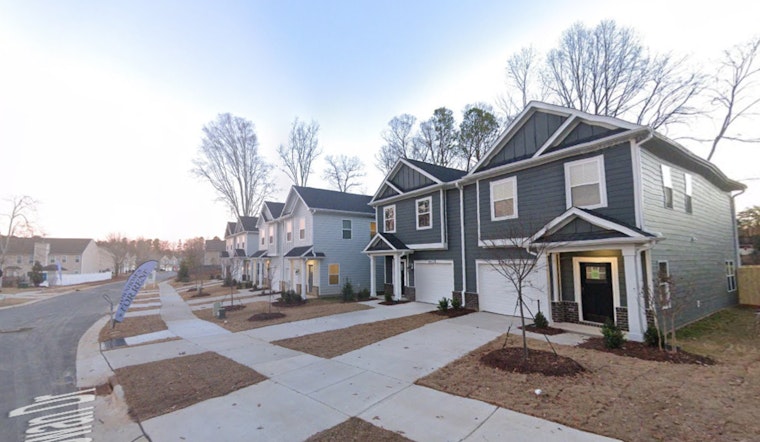
According to the Charlotte Business Journal, the funding, reported March 10, will be put to work across Red Cedar’s entire vertical platform, from land acquisition and site work to construction and lease-up. The outlet highlighted the Kelly Ridge rental townhome community, a northwest Charlotte project the company is developing, with a photo of the neighborhood.
Red Cedar Doubles Down on Built-to-Rent
Red Cedar’s investor-facing materials outline a formal “Built to Rent Partnership” program that pitches the company’s development, construction and asset-management capabilities to institutional players. The site lists northwest Charlotte among its active regions and shows the firm’s headquarters at 1710 Camden Road. Red Cedar Homes says it offers turnkey services for partners that want scale in the rental market.
Institutional Partners and Pipeline
Red Cedar already has institutional capital backing its projects in Charlotte. Atlanta-based NEWSTAR has announced several single-family rental partnerships with Red Cedar, including the 159-home Long Farm project and a northwest Charlotte townhome neighborhood, per PR Newswire. Industry coverage notes that Charlotte ranks among the nation’s busiest built-to-rent markets, a dynamic that helps explain investor appetite for the company’s growth plans, according to The Real Deal.
What This Could Mean for Charlotte
Company leaders told reporters the new capital will support more lot acquisitions, housing starts and joint ventures that could speed up delivery of professionally managed rental homes in Charlotte’s suburbs. The Charlotte Business Journal frames the raise as part of a broader shift in which builders and investors are pivoting toward purpose-built rentals as inventory constraints and affordability pressures continue to hang over the market.




