

























































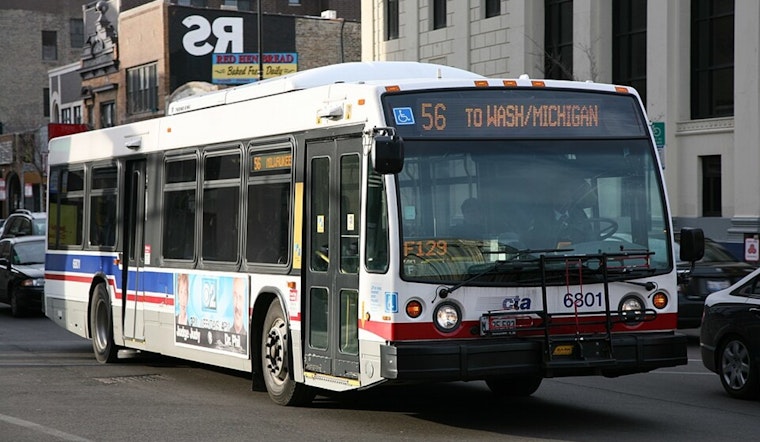
Chicago’s transit system is staring down a make-or-break moment, and the clock is not exactly being subtle about it. Lawmakers, regional planners, and transit chiefs are wrestling over how to avoid a massive budget cliff, with ideas that range from mild tweaks to a full-on agency mashup. On paper, it sounds like inside-baseball bureaucracy, but for riders, it is painfully concrete: routes, stations, and union jobs could vanish if the money does not show up. The conversation kicked into a higher gear after Crain’s highlighted the options on its Daily Gist podcast, shining a fresh light on decisions that will shape service in 2026. For people riding to work, school, or overnight shifts, the difference between a quick patch and a full overhaul could add up to miles of transit service lost or preserved.
On the Daily Gist, reporter John Pletz sketched out the big ideas reformers are pushing, from modest governance changes to something much more radical. As reported by Crain's Chicago Business, the conversation stretches from technical tweaks to the nuclear option of folding CTA, Metra, and Pace into a single regional authority.
What lawmakers are proposing
At the center of the fight are competing bills that would rewrite how Chicagoland transit is governed and funded. One measure, introduced in Springfield as a plan to create a new "Metropolitan Mobility Authority," would pull the RTA, CTA, Metra, and Pace into a single umbrella agency and hand that body wide control over fares, capital projects, and long-range planning. The bill text, which spells out the statutory overhauls under discussion, is posted on LegiScan.
Why 2026 matters
The urgency traces back to federal pandemic relief that has quietly been keeping operations afloat and is set to run dry, leaving a projected shortfall that transit leaders say reaches into the high hundreds of millions. According to WTTW, the RTA estimates a gap of roughly $730 million to $771 million and has warned that, without new money, service could be slashed by as much as 40%. That ticking deadline is what is forcing lawmakers to juggle both emergency funding fixes and longer-term governance changes in the same crowded debate.
What riders would feel
Transit briefings and advocates have laid out a grim playbook for what happens if the cliff hits without a solution. The scenario includes dozens of shuttered 'L' stations, major bus routes wiped off the map, and deep cuts to Metra service outside the traditional rush periods. Streetsblog walked through the maps and worst-case numbers presented at a recent RTA meeting, and for a closer look back at the first alarm bells, see our earlier coverage when the RTA initially warned of up to 40% service cuts.
Political roadblocks
None of this happens without Springfield, and that is where the politics get messy. Any major change needs votes from state lawmakers, plus buy-in from suburban officials who worry they could lose clout in a more centralized system, and from labor unions that prefer reforms that stop short of a full merger. The Chicago Metropolitan Agency for Planning has floated a menu of possible revenue sources, including sales tax hikes, congestion pricing, and other targeted fees, ideas that have helped shape the bills and the public back-and-forth. Those trade-offs, which all involve someone paying more, help explain why legislators are inching forward carefully even as transit bosses press for a clear, reliable funding plan.
Legal and timeline implications
Turning any of these concepts into law would mean rewriting the statutes that govern the RTA and the individual service boards, line by line, to reset rules on governance, funding flows, and who controls day-to-day operations. Drafts in circulation include sweeping provisions, from unified fare policies across agencies to mandates for zero-emission vehicles, with all the fine print loaded into the bill language. The complete legal text is posted on the General Assembly’s site at the Illinois General Assembly.
How this all lands will hinge on whether state leaders pair structural change with stable, long-term funding and on how quickly they can strike a deal on who sacrifices what. For now, what started in planning reports has spilled into committee hearings and podcasts, and Chicago transit riders are watching a fast-moving debate that could either lock in deep cuts or buy the region time to rebuild and possibly improve the system.





